Honestly, there’s something magical about a pot of simmering tomatoes. I remember the first time I let the sauce bubble low and slow, the kitchen filling with a sweet, earthy perfume. If you love pasta category dishes, this sauce will feel like a gentle, familiar embrace.
The essence of the dish
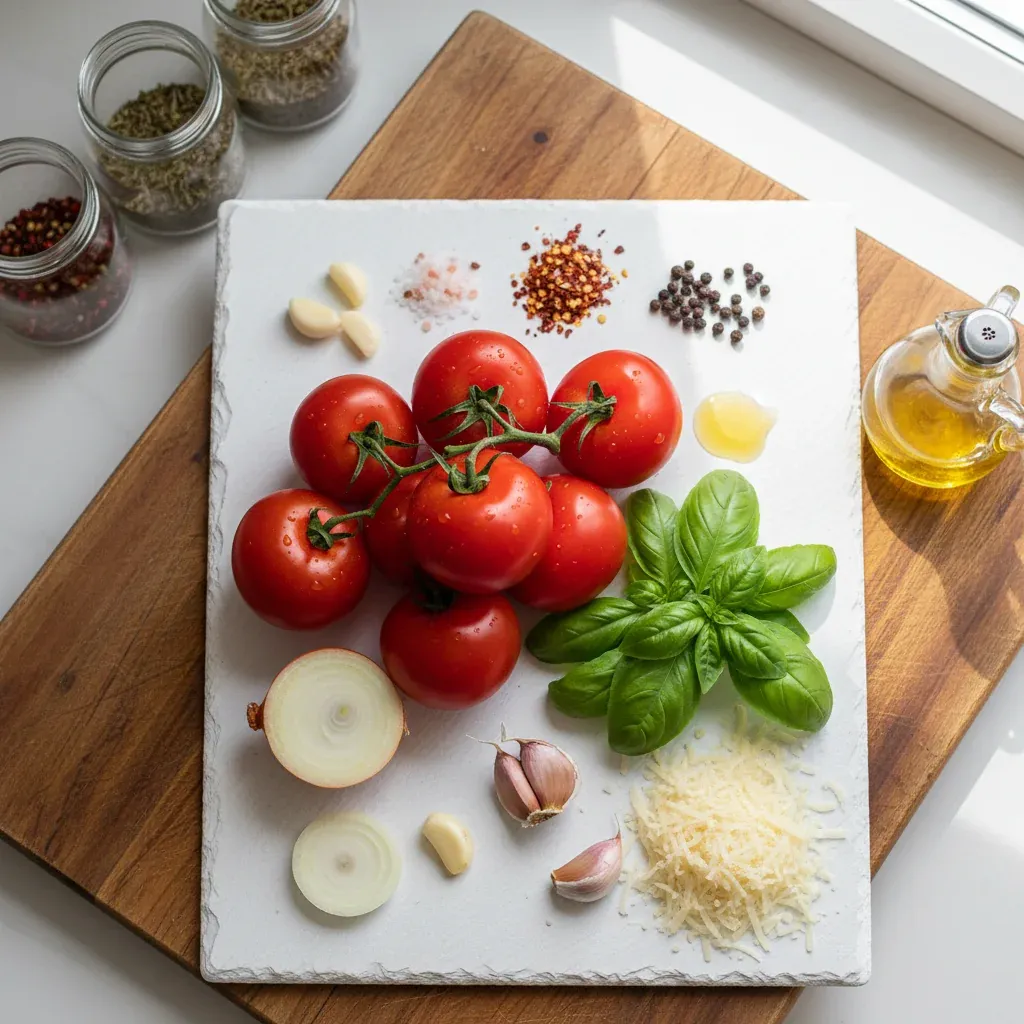
It’s the balance of bright tomato acidity, sweet garlic warmth, and herbaceous green notes that makes this sauce unforgettable.
A fun fact or historical angle
Tomatoes weren’t popular in Italy until the 18th century; they were once thought to be poisonous.
Flavor or sensory focus
You’ll notice the slow‑cooked richness on the tongue, a lingering scent of basil, and the gentle kiss of caramelized onions.
You Must Know
- Never rush the simmer; low heat builds flavor.
- Season in layers, tasting as you go.
- Fresh herbs at the end keep bright notes.
In my kitchen, I often pause while the sauce simmers, letting the aromas fill the house. It’s a quiet moment—just the gentle bubbling and the scent of herbs drifting through the air. That pause is where the sauce truly transforms, and it reminds me that good food often takes its time.
The story behind it
The origins of this classic red sauce trace back to the sun‑kissed vineyards of southern Italy, where tomatoes first met olive oil and fragrant basil. Over centuries, families refined the balance of sweet and acid, creating a staple that travels from hearth to table. This version honors that tradition while keeping the process simple enough for a weekday dinner.
Why You'll Love It
- Deep, layered flavor that improves after a few hours
- Uses everyday pantry staples, no exotic ingredients
- Easy to freeze for future meals
- Pairs beautifully with any shape of pasta
Tips for success
- Don’t rush the simmer; low heat builds depth.
- Season in stages, tasting after each addition.
- Add fresh herbs at the end to preserve brightness.
Professional secrets
- Use a pinch of sugar to balance acidity.
- Deglaze the pot with a splash of wine for extra umami.
- Finish with a drizzle of cold olive oil for a glossy finish.
Common mistakes to avoid
- Cooking over high heat and burning the garlic.
- Adding salt too early, causing premature water loss.
- Using overly watery tomatoes, leading to a thin sauce.
Substitutions
- Fresh basil: Dried basil. Use one‑third the amount; add earlier in cooking.
- Olive oil: Avocado oil. Works for sautéing; flavor will be milder.
Variations
- Spicy Version: Add extra red pepper flakes and a splash of hot sauce for a gentle kick.
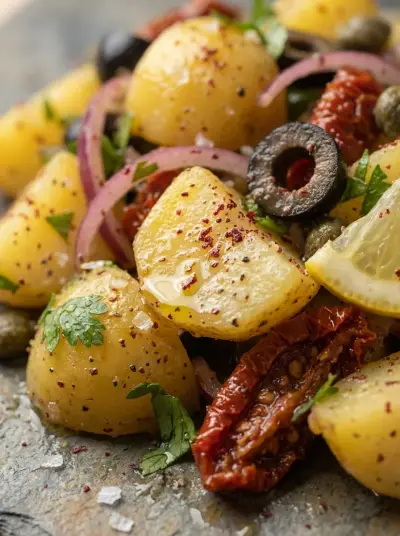
- Mediterranean Style: Stir in kalamata olives, sun‑dried tomatoes, and crumbled feta just before serving.
Storage
Cool to room temperature, then store in airtight containers; refrigerate up to 5 days or freeze for up to 3 months.
Make ahead
The sauce can be made up to 24 hours ahead; store in the fridge and gently reheat before serving.
Leftovers
Reheat gently over low heat, adding a splash of water or broth to revive consistency.
Serving ideas
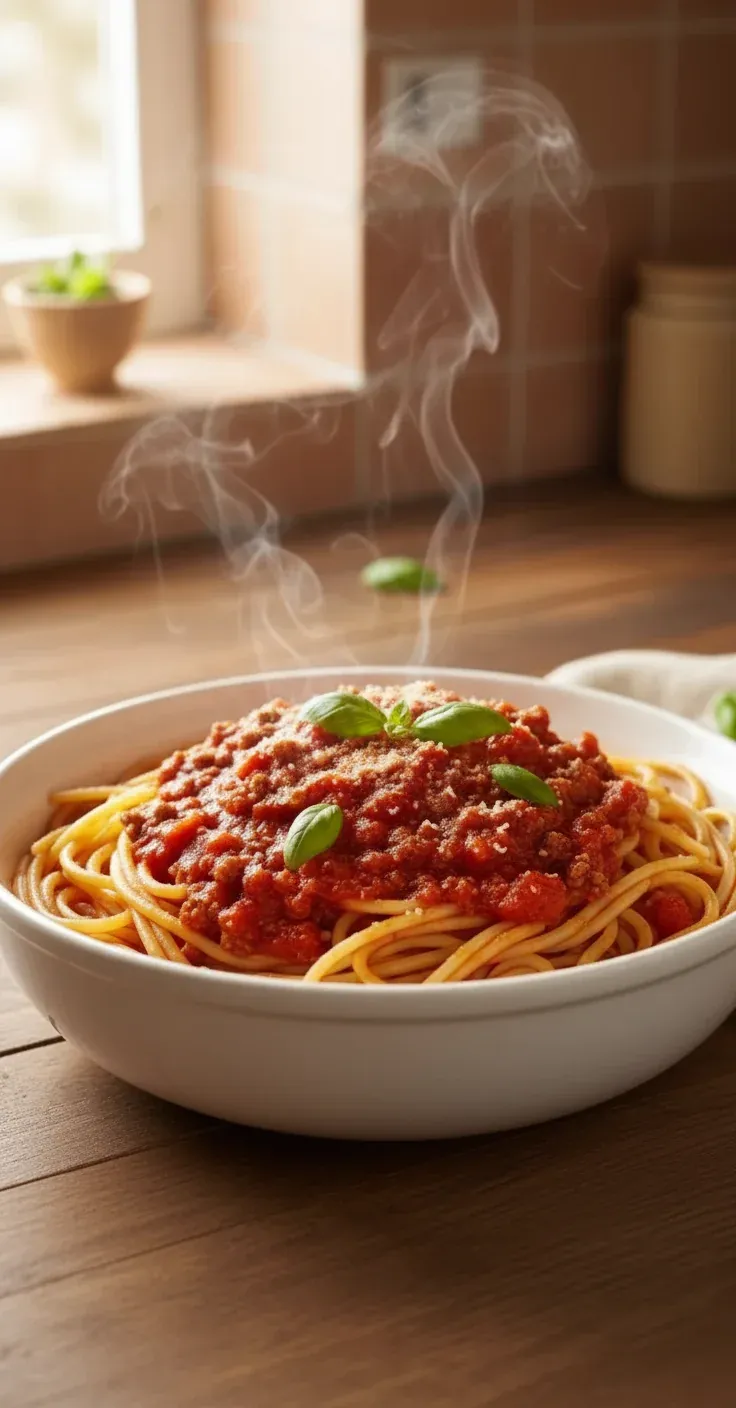
- Serve over al dente spaghetti with a generous sprinkle of Parmesan.
- Pair with a side of garlic‑bread to sop up extra sauce.
- Garnish with fresh basil leaves for a pop of color.
- Offer a small salad of mixed greens dressed lightly with lemon.
Allergy information
Contains tomatoes and garlic; may contain traces of nuts if processed in a shared facility.
Best Ever Homemade Spaghetti Sauce
Rich, fragrant spaghetti sauce made from fresh tomatoes, garlic, and herbs; a cozy staple for pasta lovers.
- Prep time
- 15 min
- Cook time
- 45 min
- Total time
- 1 h
- Difficulty
- Easy
- Cuisine
- Italian
- Course
- Main Course
Ingredients
Main Ingredients
For the Sauce
Instructions
- 1
Heat olive oil in a heavy pot over medium heat; add onion and sauté until translucent, about 5 minutes.
- 2
Stir in garlic and red pepper flakes; cook just until fragrant, about 30 seconds, being careful not to burn.
- 3
Add chopped tomatoes and tomato paste, then bring to a gentle boil; reduce heat to low and let simmer uncovered.
- 4
Season with salt, pepper, oregano, and sugar; stir occasionally and let the sauce reduce for 45 minutes, stirring occasionally.
- 5
Finish by folding in fresh basil and a drizzle of extra‑virgin olive oil; taste and adjust seasoning before serving.
Nutrition per serving
- 210 kcal
- Calories
- 5 g
- Protein
- 28 g
- Carbs
- 9 g
- Fat
Tips & notes
- If the sauce becomes too thick, add a splash of pasta water to reach desired consistency. - For a smoother texture, blend half of the sauce with an immersion blender. - Allow the sauce to rest for 10 minutes after cooking; flavors meld even more.
Frequently asked questions
Can I use canned tomatoes?
Yes, choose whole peeled canned tomatoes and crush them by hand for a similar texture.
How long can the sauce be stored?
Refrigerate for up to 5 days, or freeze in portions for up to 3 months.
Do I need to add sugar?
A pinch balances acidity; you can omit if the tomatoes are very sweet.
Can I add meat to the sauce?
Absolutely—brown ground beef or turkey sausage before adding tomatoes for a hearty variation.
What pasta shape works best?
Spaghetti is classic, but tagliatelle or rigatoni hold the sauce beautifully.
Is this sauce gluten‑free?
The sauce itself is gluten‑free; just pair it with gluten‑free pasta if needed.

Mia
🍓🎀 A dessert dreamer who believes chocolate fixes everything. Mia’s recipes bring cozy joy and creamy sweetness to every bite. ☕💫