Honestly, when I first opened a can of salmon, I thought, "Wow, this could be more than a quick sandwich." So, yeah, I let my imagination wander while the kitchen smelled of simmering garlic and fresh basil. I remember when my kids asked for pasta and I handed them this dish—yeah, it became a family favorite, oops, without even trying.
The essence of the dish
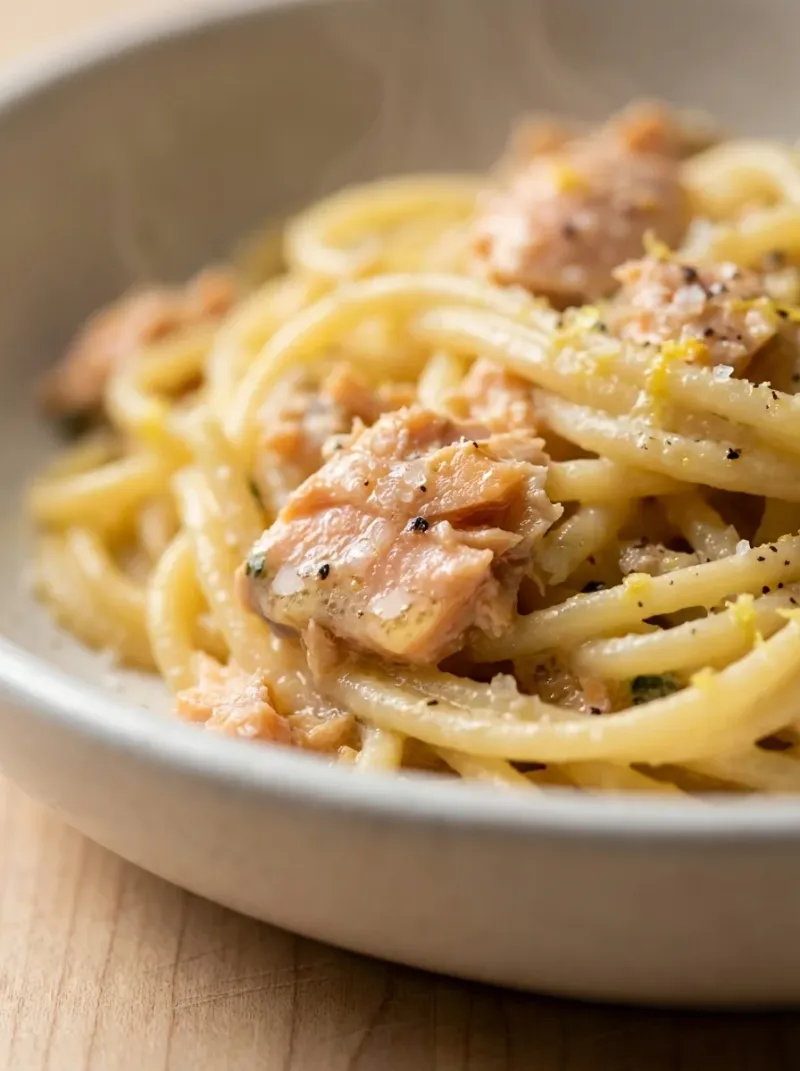
Flaky canned salmon meets silky pasta, brightened by lemon and herb, creating a comforting yet elegant plate.
A fun fact or historical angle
Canned fish was once a luxury for sailors; today it’s a quick pantry hero for home cooks.
Flavor or sensory focus
Expect the buttery garlic base, a whisper of citrus, and the gentle sea‑salt of salmon, all coating each noodle.
You Must Know
- Do not over‑cook the salmon; it dries out quickly
- Taste the sauce before adding cheese
- Use freshly grated lemon zest, not bottled
When the sauce hits the pan, the scent of garlic and lemon fills the kitchen, inviting everyone to the table. It’s a simple pleasure, a reminder that a few humble ingredients can create something truly satisfying. So, enjoy the process, and let the flavors speak for themselves.
The story behind it
Canned salmon has its roots in coastal preservation methods dating back to the early 20th century, when fishermen needed a way to keep their catch fresh for long voyages. Over time, the humble tin turned into a pantry staple, offering a quick source of omega‑3s and protein. This recipe honors that practical heritage, pairing the subtly briny fish with al dente pasta and a bright lemon‑olive oil drizzle, a combination that feels both nostalgic and contemporary.
Why You'll Love It
- Ready in less than 30 minutes, perfect for busy evenings
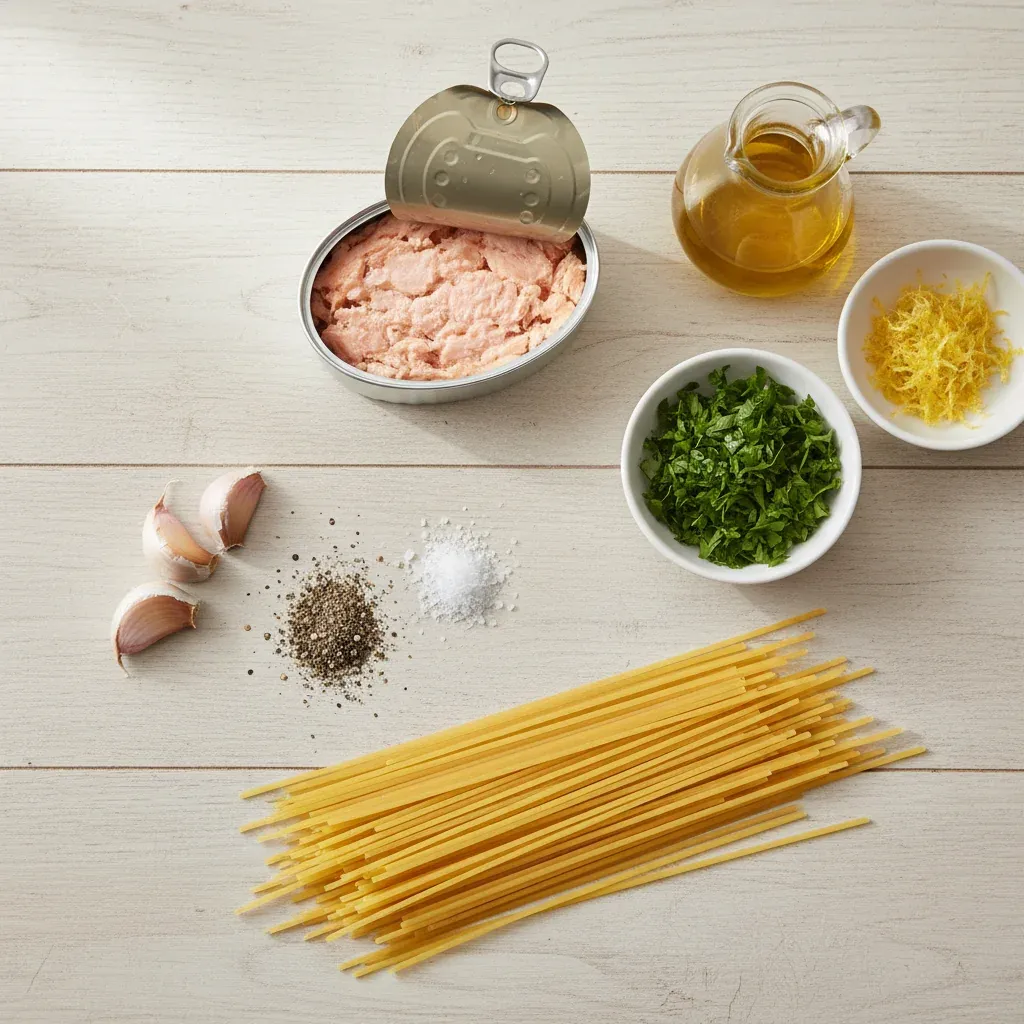
- Uses pantry‑friendly canned salmon, no fresh fish needed
- Light lemon zest brightens the dish without heaviness
- Creamy texture without heavy cream, stays light
Tips for success
- Don’t over‑cook the salmon; it stays tender when added at the end
- Reserve pasta water to adjust sauce consistency
- Use fresh lemon zest for bright aroma
Professional secrets
- Heat the skillet before adding butter to prevent scorching
- Finish with a splash of olive oil for glossy texture
- Toss pasta off the heat to keep the sauce from splitting
Common mistakes to avoid
- Over‑cooking the garlic until it burns, creating bitterness
- Adding salmon too early and breaking it into mush
- Using too much lemon juice, overpowering the delicate fish
Substitutions
- Canned salmon: Canned tuna or smoked trout. Adjust seasoning as tuna is milder.
- Parmesan cheese: Pecorino Romano. Adds a sharper, saltier edge.
Variations
- Spicy Version: Add ½ tsp red pepper flakes and a dash of sriracha for a gentle heat.
- Mediterranean Style: Stir in chopped olives, sun‑dried tomatoes, and crumbled feta at the end.
Storage
Store leftovers in a sealed container in the refrigerator for up to 3 days.
Make ahead
You can cook the pasta and flake the salmon up to 12 hours ahead; store separately and combine when ready to serve.
Leftovers
Reheat gently in a skillet with a splash of water or broth to revive the sauce.
Serving ideas
- Serve with a side of garlic‑roasted broccoli
- Pair with a light arugula salad dressed in lemon vinaigrette
- Garnish with extra parsley and a lemon wedge for brightness
Allergy information
Contains fish, dairy, and gluten (unless gluten‑free pasta is used).
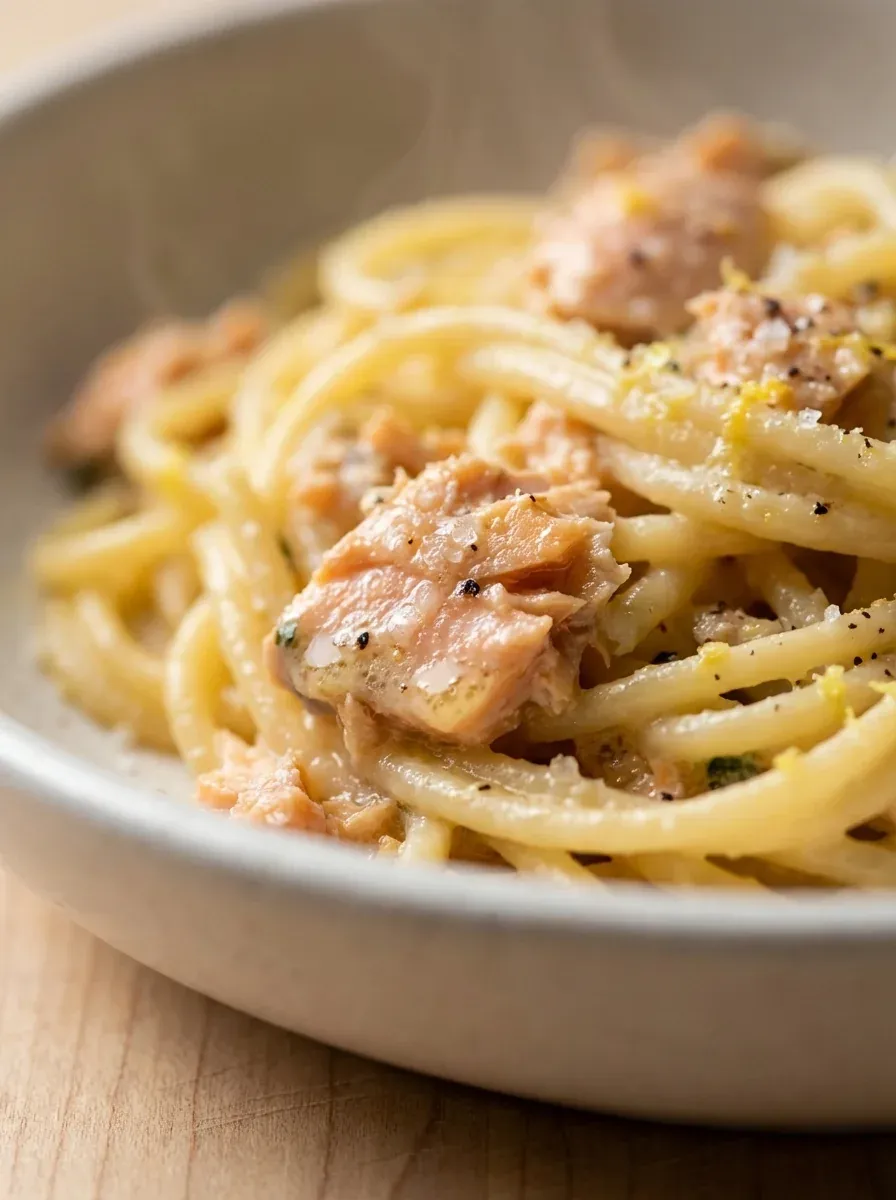
Canned Salmon Pasta
Protein‑rich canned salmon tossed with pasta, lemon, and herbs for a fast, comforting meal.
- Prep time
- 10 min
- Cook time
- 20 min
- Total time
- 30 min
- Difficulty
- Easy
- Cuisine
- Italian
- Course
- Main Course
Ingredients
Main Ingredients
Instructions
- 1
Bring a large pot of salted water to a boil; add the pasta and cook until al dente, about 9 minutes. Reserve ½ cup of pasta water, then drain.
- 2
While the pasta cooks, heat olive oil in a large skillet over medium heat. Add the minced garlic and sauté until fragrant, about 1 minute—watch it so it doesn’t brown.
- 3
Add butter to the skillet; let it melt and swirl with the garlic. Stir in lemon zest and lemon juice, letting the sauce bubble gently.
- 4
Toss the cooked pasta into the skillet, adding reserved pasta water a little at a time until the sauce lightly coats each strand.
- 5
Fold in the flaked salmon, parsley, and Parmesan. Season with salt and pepper, then serve immediately.
Nutrition per serving
- 420 kcal
- Calories
- 28 g
- Protein
- 45 g
- Carbs
- 15 g
- Fat
Tips & notes
- If the sauce seems dry, add more reserved pasta water a tablespoon at a time. - Taste before adding cheese to control salt level. - For a richer mouthfeel, you can finish with a drizzle of extra‑virgin olive oil.
Frequently asked questions
Can I use fresh salmon instead of canned?
Yes, you can substitute fresh, cooked salmon; just shreds it gently and reduce cooking time.
What pasta shape works best?
Long strands like spaghetti or linguine coat the sauce well, but short shapes like penne also work.
Is this recipe gluten‑free?
Swap regular pasta for a gluten‑free variety; the rest of the recipe stays the same.
How long can leftovers be stored?
Refrigerate in an airtight container for up to 3 days; reheat gently on the stove.
Can I add vegetables?
Absolutely—add peas, spinach, or cherry tomatoes in the last few minutes of cooking.
Is the dish spicy?
No, but a pinch of red pepper flakes can add a subtle heat if you like.

Mia
🍓🎀 A dessert dreamer who believes chocolate fixes everything. Mia’s recipes bring cozy joy and creamy sweetness to every bite. ☕💫