
The cottage cheese cake has humble roots in Eastern European kitchens, where dairy was plentiful and desserts needed to be simple yet nourishing. Over time, the recipe traveled west, adapting to lighter textures that modern palates adore. Its history is a quiet one, marked by family tables and the soft clink of teaspoons against porcelain, not flashiness. Today, it stands as a testament to comfort food that transcends borders, offering a gentle sweetness that feels both familiar and new.
Why You'll Love It
-
- Light texture that feels like a cloud on your tongue
-
- Simple ingredients you probably already have
-
- Subtle vanilla scent that fills the kitchen
-
- Versatile base for fruit or chocolate toppings
“The cake was so airy, I could almost hear it breathing. My kids devoured it without a second thought!”
Essential Ingredient Guide
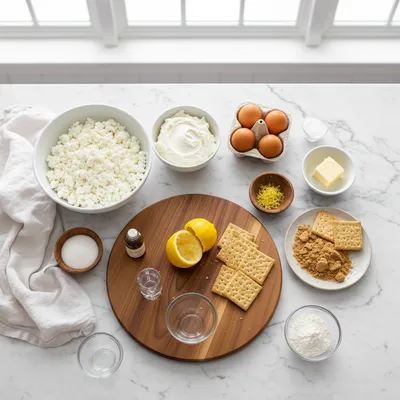
- Cottage cheese: Choose a well‑drained, full‑fat cottage cheese for richness and creaminess; skim can feel watery.
- Eggs: Room‑temperature eggs blend more smoothly, giving the cake its silk‑like crumb.
- Lemon zest: A little zest brightens the flavor, balancing the dairy’s mildness.
- Vanilla extract: Pure vanilla adds depth; a splash feels like a warm hug.
- Sugar: Adjust to taste; start with a half cup and add more if you like extra sweetness.
- All‑purpose flour: Just a tablespoon helps set the structure without making it dense.
Complete Cooking Process
-
Ingredient Readiness:
Drain the cottage cheese, whisk eggs to a uniform pale yellow, zest the lemon, and pre‑heat the oven to a gentle 325°F.
-
Flavor Development:
Blend cottage cheese with sugar, vanilla, and lemon zest; the mixture becomes glossy and fragrant.
-
Texture Control:
Fold in the eggs and flour carefully; over‑mixing can toughen the cake.
-
Finishing Touches:
Bake until the center is set but still gives a slight wobble; a light golden top appears.
-
Serving Timing:
Let the cake cool completely, then chill for at least two hours. Serve with fresh berries or a drizzle of honey.
-
Use a water bath for an even, crack‑free surface
-
Tap the pan lightly after baking to release any tiny air pockets
-
Cool slowly in the oven with the door ajar to avoid sudden temperature changes
Pro Tips
These small steps make a big difference. I remember once leaving the cake out too quickly; it developed a tiny skin that was a little off‑putting. A gentle cooling keeps the surface silky. Also, don’t be shy about serving it with a little fresh fruit; the acidity lifts the creamy base beautifully.
So, take a moment, breathe in the vanilla, and trust the process. The cake will reward you with a soft crumb that melts like a sigh.
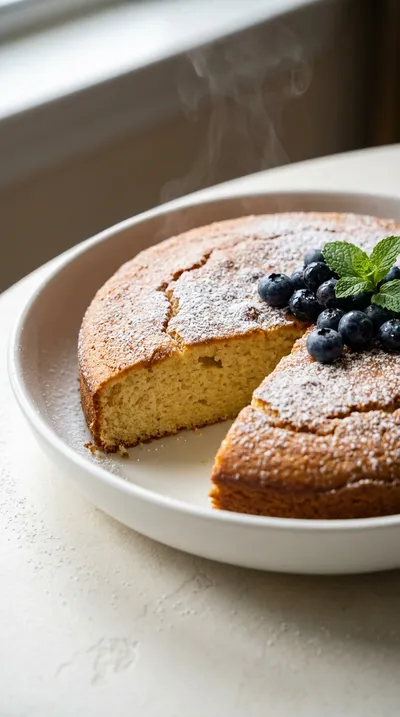
The essence of the dish:
It’s the delicate balance of tangy cottage cheese and sweet vanilla, creating a dessert that feels airy yet satisfying.
A fun fact or historical angle:
Cottage cheese cakes were originally a way to stretch fresh cheese before refrigeration, turning a staple into a treat.
Flavor or sensory focus:
You’ll notice first the fragrant lemon zest, then the soft, buttery crumb that melts on the tongue, leaving a lingering vanilla echo.
You Must Know
-
Do not over‑bake; a gentle wobble signals perfection
-
Rinse the cake pan for an easy release
-
Chill overnight for the best sliceable texture
Frequently Asked Questions
→ Can I use ricotta instead of cottage cheese?
Yes, ricotta works well but it yields a slightly richer texture. Drain it well to avoid excess moisture.
→ Do I need a water bath?
A water bath helps prevent cracks and gives an even bake, especially if you’re aiming for a smooth top.
→ How long can I store the cake?
Refrigerated in an airtight container, it keeps for up to four days. For longer storage, wrap tightly and freeze for up to two months.
→ Can I add a fruit topping?
Absolutely—fresh berries, sliced peaches, or a light fruit compote pair beautifully with the mild flavor.
→ Is this recipe gluten‑free?
Simply omit the flour or replace it with a gluten‑free blend; the texture remains delightfully soft.
→ What size pan should I use?
A 9‑inch springform pan works best; it gives enough room for the cake to rise gently without spilling.
Nutrition Facts
per serving
210
Calories
12g
Protein
20g
Carbs
9g
Fat
Taste Profile
A gentle sweet creaminess with subtle lemon brightness
Ingredient Substitutions
Don't have an ingredient? Try these alternatives
Drain well; ricotta gives a richer texture.
Use a 1:1 substitution for a gluten‑free version.
Recipe Variations
Try these delicious twists on the original
Spicy Version
Add a pinch of ground cinnamon and a drizzle of honey for warm undertones.
Mediterranean Style
Fold in toasted pistachios and a hint of orange zest for a bright twist.
Common Mistakes to Avoid
Learn from others' mistakes for perfect results
- Over‑mixing the batter, which creates a dense texture.
- Skipping the water bath, leading to cracks on the top.
- Not cooling the cake fully before refrigerating; steam can make the surface soggy.
Meal Prep & Storage
Make Ahead Tips
Prepare the cake batter a day ahead and keep it refrigerated; bake when ready, then chill before serving.
Leftover Ideas
Store slices in a single layer in a container; enjoy cold or warm gently in the microwave for 15 seconds.
Perfect Pairings
Serve this with...
Cooking Timeline
Gather and prep ingredients; drain cottage cheese, zest lemon.
Blend cottage cheese, sugar, eggs, vanilla, zest, flour, and salt.
Bake in water bath, then cool in oven with door ajar.
Refrigerate cake to set fully before slicing.
 Breakfast & Brunch
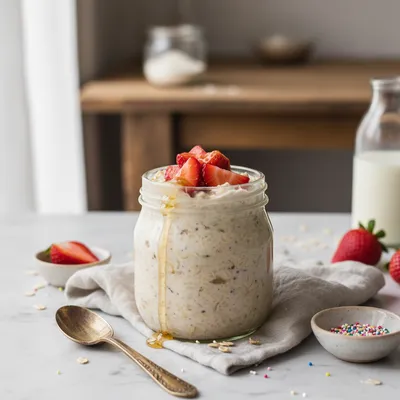
Cake Batter Overnight Oats Recipe
A dreamy, dessert‑like oatmeal that you prep the night before and enjoy cold or warmed.
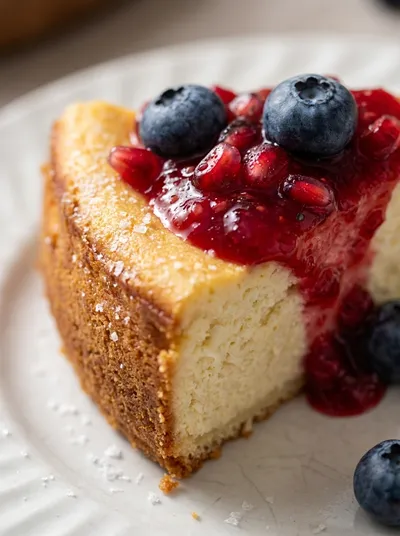
Cottage Cheese Cake Recipe Easy Homemade Dessert
A light, creamy cottage cheese cake that feels like a gentle sigh of comfort—perfect for any season and any moment when you crave something sweet yet airy.
Timing
Prep Time
15 Minutes
Cook Time
35 Minutes
Total Time
50 Minutes
Recipe Details
Ingredients
Cake Base
-
01
2 cups (about 500 g) well‑drained cottage cheese
-
02
3/4 cup granulated sugar
-
03
3 large eggs, room temperature
-
04
1 tsp vanilla extract
-
05
1 tbsp lemon zest
-
06
1 tbsp all‑purpose flour
-
07
Pinch of salt
Optional Topping
-
01
Fresh berries or sliced fruit
-
02
Honey or light fruit glaze
Instructions
Preheat the oven to 325°F (160°C). Prepare a 9‑inch springform pan by greasing the sides lightly; you’ll thank yourself later.
In a large bowl, blend the cottage cheese and sugar until smooth and glossy; the mixture should look creamy, not grainy.
Add the eggs one at a time, whisking gently after each addition. Stir in vanilla, lemon zest, flour, and a pinch of salt until just incorporated.
Pour the batter into the prepared pan. Place the pan in a larger baking dish and add hot water to the outer dish until it reaches halfway up the side of the springform pan.
Bake for 30‑35 minutes, or until the center is set but still gives a slight wobble when the pan is gently shaken.
Turn off the oven, crack the door open and let the cake cool inside for about 20 minutes—this helps prevent cracking.
Remove the cake, cool completely on a wire rack, then refrigerate for at least 2 hours before serving.
Top with fresh berries or a drizzle of honey if desired, slice, and enjoy the soft, airy texture.
Notes & Tips
-
1
Make sure the cottage cheese is well‑drained; excess moisture can make the cake soggy.
-
2
Room‑temperature ingredients blend more evenly, giving a smoother crumb.
-
3
If you prefer a firmer slice, chill the cake overnight; it will hold its shape beautifully.
 Breakfast & Brunch
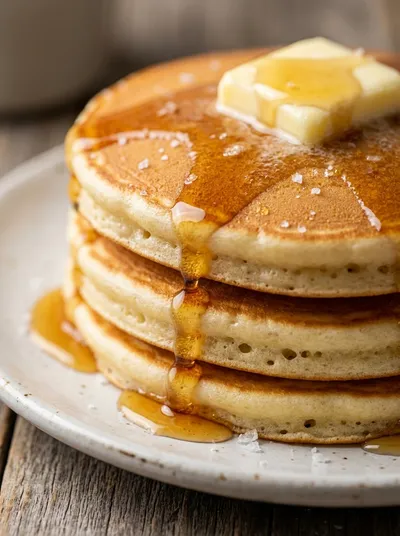
American Pancakes – Fluffy Breakfast Treat
Light, airy pancakes that drift like clouds on a plate, ideal for a relaxed morning.
Tools You'll Need
-
9‑inch springform pan
-
Mixing bowl
-
Hand mixer or immersion blender
-
Measuring cups and spoons
-
Rubber spatula
-
Roasting pan for water bath
Must-Know Tips
-
Don’t over‑mix the batter; gentle folding keeps the texture light.
-
Use a water bath to avoid a cracked top.
-
Cool the cake gradually to maintain its soft interior.
Professional Secrets
-
Room temperature ingredients ensure even mixing.
-
A gentle water bath creates a moist oven environment, preventing cracks.
-
Let the cake rest in the oven after baking for a smoother surface.

Recipe by
Sofia☕💖 A morning coffee lover who can’t resist melting chocolate into everything she bakes. Warm smiles and cocoa dreams! 🍩🌷
Get Delicious Recipes Weekly
Join 25,000+ home cooks getting our best recipes straight to their inbox.
Free forever • No spam • Unsubscribe anytime