
The English muffin traces its roots to 19th‑century London, where bakers refined a yeasted batter into small, round breads cooked on a griddle. Over time it traveled across the Atlantic, becoming a staple of breakfast tables. Its distinctive nooks are perfect for catching butter and jam, making it a beloved canvas for both sweet and savory toppings.
Why You'll Love It
-
- Easy to master with pantry staples
-
- Light interior with a crisp, buttery top
-
- Versatile for sweet spreads or hearty eggs
-
- Keeps well, perfect for make‑ahead breakfasts
"These muffins are the softest I've ever made, and the crust is just right!"
Essential Ingredient Guide
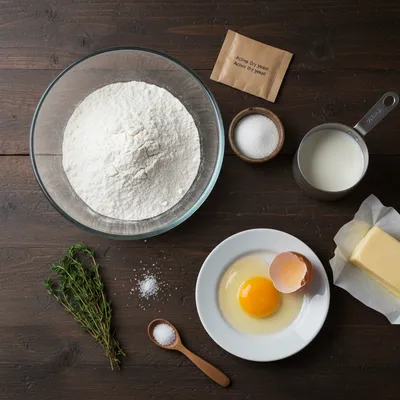
- All‑purpose flour: Provides structure; sift for a lighter crumb.
- Active dry yeast: Creates the airy texture; proof in warm milk.
- Milk: Adds richness; whole milk yields a tender crumb.
- Butter: Adds flavor and helps develop the golden crust.
- Sugar: Feeds the yeast and balances the flavor.
- Salt: Enhances flavor and controls yeast activity.
Complete Cooking Process
-
Ingredient Readiness:
Warm the milk, dissolve yeast and sugar, and let it bloom before mixing.
-
Flavor Development:
Knead the dough until smooth, allowing gluten to relax and flavor to deepen.
-
Texture Control:
Shape into rounds, let them proof just until they puff lightly.
-
Finishing Touches:
Cook on a hot griddle, butter the tops, and let them cool on a rack.
-
Serving Timing:
Split while warm to reveal the craggy interior, then toast lightly.
-
Use a kitchen scale for precise flour measurement.
-
Cover the dough with a damp cloth to prevent a skin.
-
Cook on medium‑low heat; too hot burns the outside.
-
Split with a fork, not a knife, to keep the nooks.
Pro Tips
Well, those little tricks make a world of difference. I mean, the texture changes from dense to airy, and the flavor feels more rounded. So, take your time, enjoy the quiet moments, and let the muffins rest a minute before serving.
The essence of the dish:
It’s the gentle rise of yeast, the buttery kiss on the surface, and the soft, airy crumb that make these muffins a comforting staple.
A fun fact or historical angle:
Originally called "muffin bread," they were popularized in the early 1800s as a quick‑cook alternative to yeasted loaves.
Flavor or sensory focus:
You’ll notice a faint sweetness, a buttery aroma, and the satisfying crunch of the toasted tops.
You Must Know
-
The dough should be tacky, not sticky.
-
Proof just until the surface is slightly domed.
-
Griddle heat is key – medium‑low ensures even cooking.
Frequently Asked Questions
→ Can I use whole‑wheat flour?
Yes, substitute half the all‑purpose flour with whole‑wheat for a nuttier flavor, but expect a slightly denser crumb.
→ How long can I store them?
Keep in an airtight container for up to three days, or freeze for up to two months.
→ Do I need a griddle?
A heavy skillet works just as well; just ensure it heats evenly.
→ Can I add herbs?
Sure, fold in chopped rosemary or thyme after kneading for an aromatic twist.
→ What if the dough is too sticky?
Dust the work surface lightly with flour and knead a bit longer until smooth.
→ Do I have to split with a fork?
A fork gives those classic nooks; a knife will seal them flat.
Nutrition Facts
per serving
210
Calories
6g
Protein
32g
Carbs
6g
Fat
Taste Profile
Warm, buttery, lightly sweet
Ingredient Substitutions
Don't have an ingredient? Try these alternatives
Gives a slightly chewier texture.
Use a similar amount; flavor will be milder.
Recipe Variations
Try these delicious twists on the original
Blueberry Burst
Fold fresh blueberries into the dough before proofing for a sweet surprise.
Savory Herb
Add chopped rosemary and thyme to the dough for a fragrant, herb‑laden muffin.
Common Mistakes to Avoid
Learn from others' mistakes for perfect results
- Using water that’s too hot, killing the yeast.
- Over‑kneading, leading to dense muffins.
- Cooking on high heat, burning the tops.
Meal Prep & Storage
Make Ahead Tips
You can shape and refrigerate the dough rounds overnight; bake them fresh in the morning.
Leftover Ideas
Reheat gently in a skillet with a dab of butter to restore crispness.
Perfect Pairings
Serve this with...
Cooking Timeline
Warm milk, dissolve yeast and sugar.
Combine wet ingredients with flour and knead.
First rise, then shape rounds.
Second proof on tray.
Cook on griddle, flip, and finish.
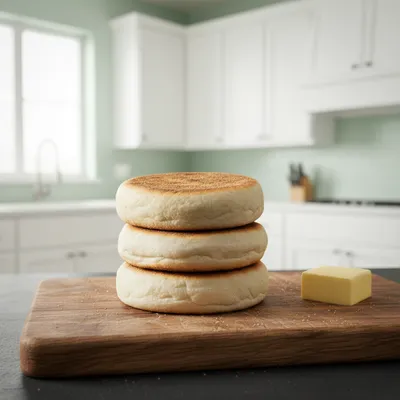
English Muffins – Simple, Perfect Recipe
Learn how to bake English muffins that are fluffy, golden, and perfect for a lazy weekend brunch.
Timing
Prep Time
15 Minutes
Cook Time
15 Minutes
Total Time
30 Minutes
Recipe Details
Ingredients
Dough
-
01
2 cups all‑purpose flour
-
02
1 cup warm milk
-
03
2 tbsp melted butter
-
04
1 tbsp sugar
-
05
1 tsp active dry yeast
-
06
1 tsp salt
-
07
1 large egg
Finishing
-
01
2 tbsp melted butter for brushing
-
02
Sea salt for sprinkling (optional)
Instructions
In a bowl, combine warm milk, sugar, and yeast. Let sit 5‑10 minutes until frothy.
Stir in melted butter, egg, and salt, then gradually add flour. Mix until a soft dough forms.
Knead on a lightly floured surface for about 5 minutes until smooth. Cover and let rise 45 minutes.
Punch down, shape into 1‑inch thick rounds, and place on a parchment‑lined tray. Let them proof 20 minutes.
Heat a griddle or skillet over medium‑low heat. Cook muffins 5‑6 minutes per side, brushing tops with butter.
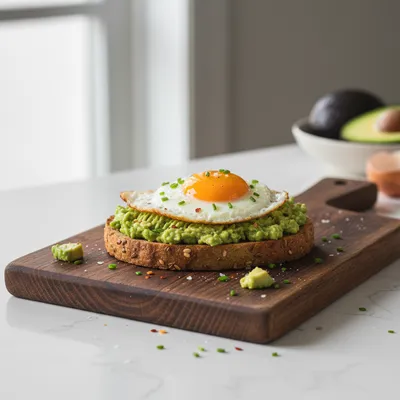
Cool on a rack, then split with a fork to reveal the nooks. Serve warm with butter, jam, or egg.
Notes & Tips
-
1
If the dough feels too dry, add a splash of milk.
-
2
For extra crispness, toast the split muffins lightly before serving.
-
3
You can freeze cooled muffins; toast directly from freezer.
 Desserts
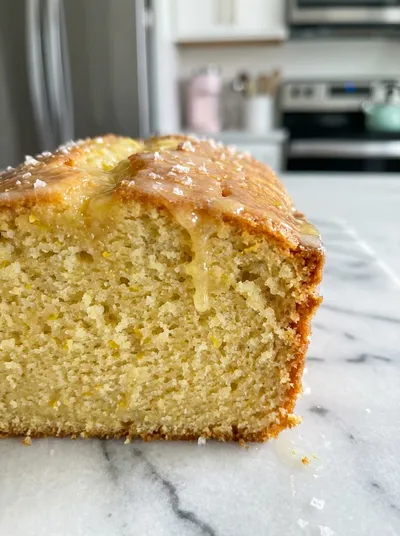
Lemon Crème Fraîche Cake – Moist and Delicious
Light, tangy lemon creme fraîche cake that stays moist and fragrant.
Tools You'll Need
-
Large mixing bowl
-
Measuring cups and spoons
-
Whisk
-
Heavy skillet or griddle
-
Spatula
-
Cooling rack
Must-Know Tips
-
Don’t over‑mix; it can make muffins tough.
-
Keep the heat steady; a sudden high heat burns the surface.
-
Brush butter immediately after cooking for shine.
Professional Secrets
-
Proof the dough in a warm, draft‑free spot for even rise.
-
Use a light coating of butter on the griddle to prevent sticking.
-
Splitting with a fork creates the classic pocket for toppings.

Recipe by
Aria🌸🍯 A free spirit with a whisk in hand, Aria blends soft cocoa flavors with artful presentation — dessert is her love language. 🎨🍫
Get Delicious Recipes Weekly
Join 25,000+ home cooks getting our best recipes straight to their inbox.
Free forever • No spam • Unsubscribe anytime