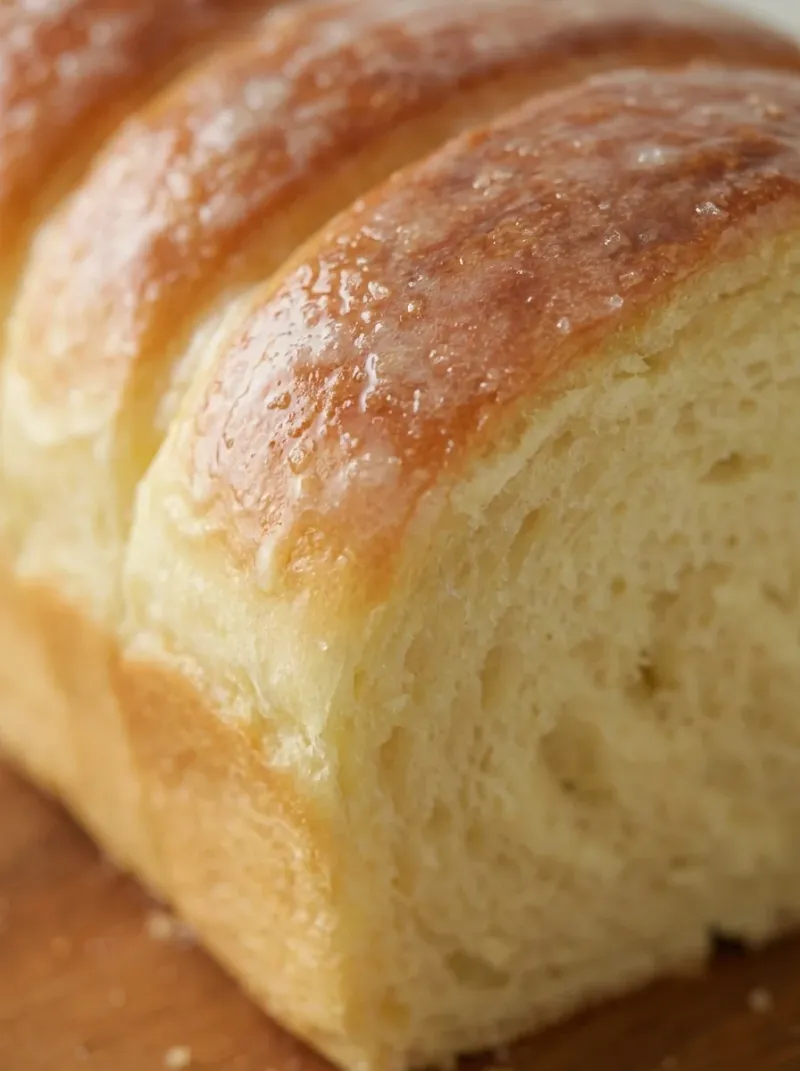
Honestly, this condensed milk bread feels like a gentle hug. The batter comes together with the ease of a quiet kitchen, the scent of warm milk filling the air, and the promise of a soft, fluffy slice waiting to be savored. I remember when I first tried a similar loaf at a small bakery, and the memory of that subtle sweetness stays with me. So, let’s create something comforting together, shall we?
The essence of the dish
It’s all about that delicate balance between sweet milk richness and airy texture, creating a loaf that feels both comforting and light.
A fun fact or historical angle
Condensed milk was originally marketed as a survival food for soldiers, and its long shelf‑life made it a pantry hero during the Great Depression.
Flavor or sensory focus
The first bite delivers a whisper of caramel, a soft buttery melt, and a hint of citrus that brightens each mouthful.
You Must Know
- Do not over‑knead; it can make the crumb tough.
- Let the dough rest; even a short pause improves texture.
- Cool on a wire rack to avoid soggy bottoms.
Honestly, those steps feel like small acts of care that pay off when you slice the loaf. The crust stays lightly crisp while the interior stays fluffy, and you’ll notice the difference right away. So, take those moments—let the dough rest, watch the rise, and enjoy the aroma filling your kitchen.
The story behind it
The tradition of sweet milk breads dates back to early 20th‑century bakeries where condensed milk was used to add richness without spoiling quickly. As households embraced canned milk during wartime, recipes evolved to include this pantry staple, delivering a tender crumb and mild caramel note that appealed to both children and adults. This loaf honors that history, offering a simple, home‑cooked version that captures the nostalgic aroma of a bustling bakery on a quiet street.
Why You'll Love It
- Melt‑in‑your‑mouth softness from the condensed milk
- Minimal effort, few ingredients, quick rise
- Subtle caramel scent that fills the kitchen
- Versatile: toast, sandwich, or plain with butter
Tips for success
- Don’t over‑mix; stop once the dough pulls together.
- Keep the water warm, not hot, to protect the yeast.
- Allow the dough to rest fully before shaping for a lighter crumb.
Professional secrets
- Room temperature butter integrates smoothly, preventing lumps.
- A short second rise improves internal crumb structure.
- Baking on the middle rack ensures even heat distribution.
Common mistakes to avoid
- Using water that is too hot, which kills the yeast.
- Over‑kneading, leading to a dense crumb.
- Skipping the second rise, resulting in a tighter texture.
Substitutions
- All‑purpose flour: Bread flour. Bread flour yields a slightly chewier texture.
- Condensed milk: Evaporated milk with extra sugar. Use 1/2 cup evaporated milk plus 2 tbsp sugar to mimic sweetness.
Variations
- Cinnamon Swirl: Fold a cinnamon‑brown sugar mixture into the dough before shaping for a spiced twist.
- Vanilla Bean: Add scraped vanilla bean seeds to the batter for a fragrant alternative.
Storage
Wrap the cooled loaf in a paper bag, then place inside a sealable container; lasts up to three days at room temperature.
Make ahead
You can prepare the dough a day ahead, let it rise, then refrigerate; bring to room temperature before final proof and bake.
Leftovers
Reheat slices gently in a toaster oven wrapped in foil to retain moisture.
Serving ideas
- Serve warm with a dab of butter and a cup of tea.
- Slice and top with jam or fresh berries for a brunch treat.
- Pair with a light salad for a balanced lunch.
Allergy information
Contains wheat, dairy, and eggs.
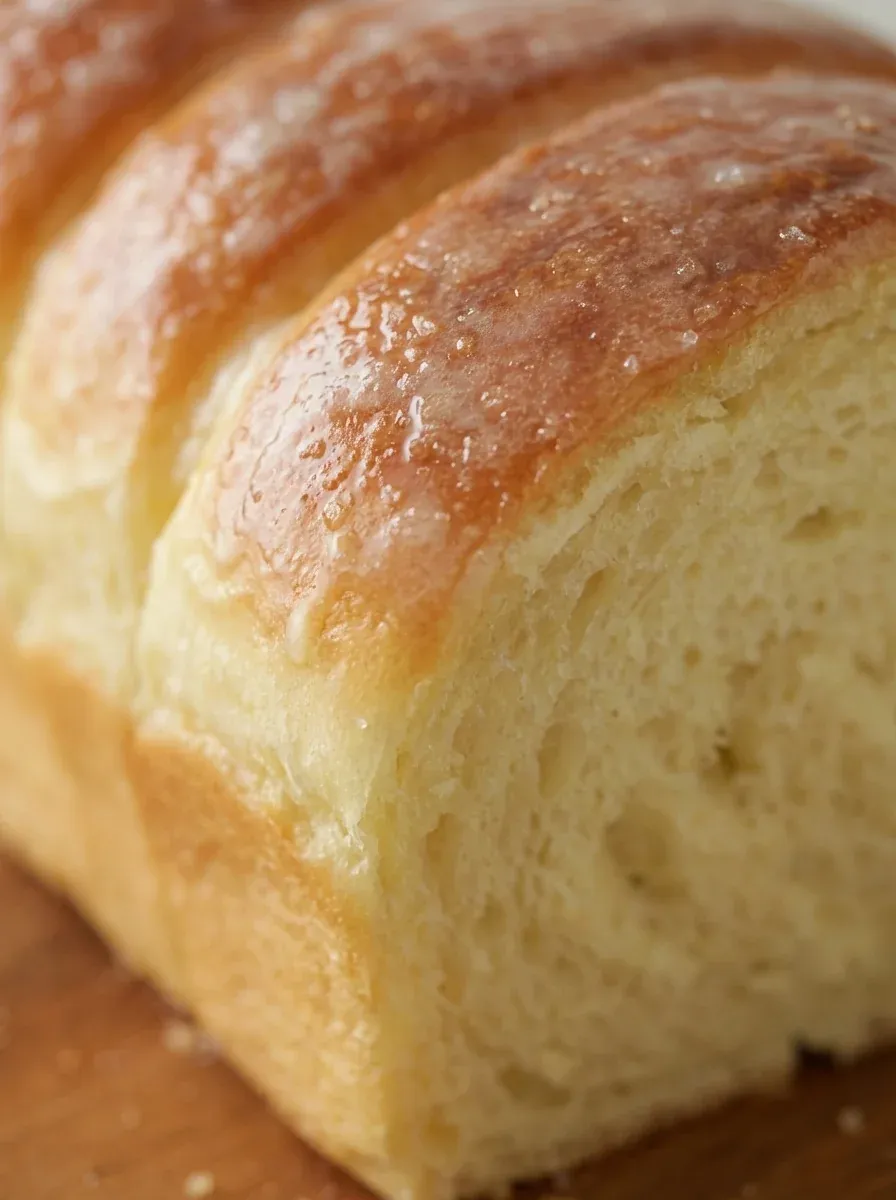
Heavenly Condensed Milk Bread Recipe
Soft, sweet condensed milk bread ideal for breakfast or a cozy snack.
- Prep time
- 15 min
- Cook time
- 25 min
- Total time
- 40 min
- Difficulty
- Medium
- Cuisine
- American
- Course
- Breakfast
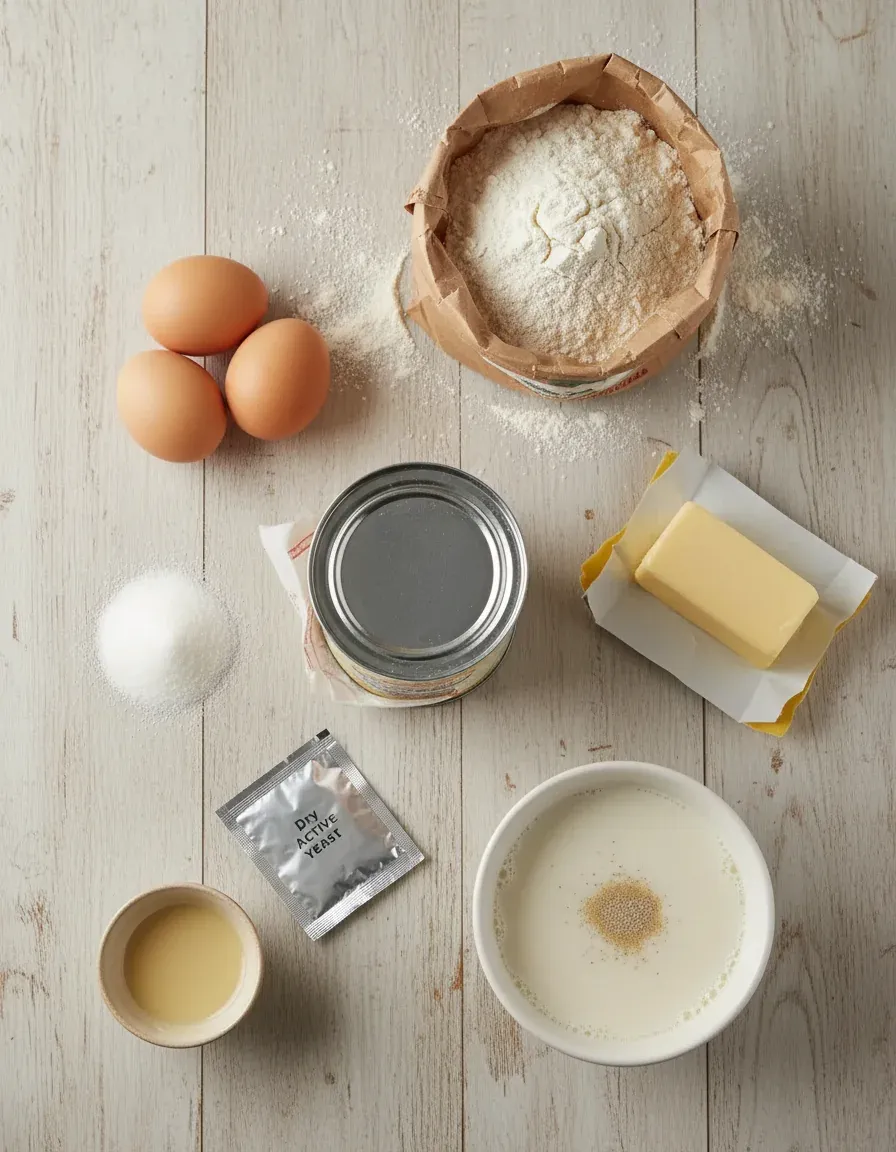
Ingredients
Main Ingredients
For the Glaze
Instructions
- 1
In a small bowl, dissolve the yeast and sugar in warm water; let sit 5‑7 minutes until frothy.
- 2
In a large mixing bowl, combine flour, salt, condensed milk, softened butter, and lemon zest; add the frothy yeast mixture and stir until a shaggy dough forms.
- 3
Turn the dough onto a lightly floured surface and knead 8‑10 minutes until smooth and elastic; the dough should pull away cleanly from the hands.
- 4
Place the dough in a greased bowl, cover with a damp towel, and let rise in a warm spot until doubled, about 45 minutes.
- 5
Punch down gently, shape into a loaf, and place in a greased 9‑inch loaf pan; let rise again for 30 minutes while the oven preheats to 350°F.
- 6
Brush the top with melted butter (and honey if using); bake for 25‑30 minutes until golden and a toothpick comes out clean.
- 7
Cool in the pan for 10 minutes, then transfer to a wire rack; enjoy warm or at room temperature.
Nutrition per serving
- 280 kcal
- Calories
- 6 g
- Protein
- 44 g
- Carbs
- 8 g
- Fat
Tips & notes
- If the crust colors too quickly, cover loosely with foil for the last 10 minutes. - A light sprinkle of coarse sugar before baking adds a subtle crunch. - For extra softness, store the loaf wrapped in a clean kitchen towel.
Frequently asked questions
Can I use low‑fat condensed milk?
Yes, but the loaf will be slightly less rich and may need a bit more butter for moisture.
How long does the bread stay fresh?
Stored in a paper bag at room temperature, it stays soft for up to three days.
Can I add raisins or nuts?
Absolutely—fold them in after the first knead for added texture.
What if I don’t have lemon zest?
A pinch of vanilla extract works as a subtle alternative.
Do I need to proof the dough twice?
A single rise works fine; just ensure the dough doubles in size before baking.
Can I freeze the loaf?
Yes, wrap tightly and freeze; reheat gently in the oven for best results.

Aria
🌸🍯 A free spirit with a whisk in hand, Aria blends soft cocoa flavors with artful presentation — dessert is her love language. 🎨🍫