
Originating from the streets of Seoul, the Korean pot roast adapts the time‑honored technique of braising meat in a soy‑based broth. Historically, families would simmer tougher cuts for hours, letting the flavors of garlic, ginger, and gochugaru infuse every bite. This method transforms a humble cut into a dish worthy of celebration, bridging rustic tradition with modern convenience.
Why You'll Love It
-
- Deep, comforting umami that warms the soul
-
- Quick prep, perfect for busy evenings
-
- One‑pot convenience means less cleanup
-
- Versatile side pairings, from rice to noodles
"This pot roast reminds me of home – soothing, flavorful, and ready in less than an hour!"
Essential Ingredient Guide
- Beef chuck roast: Choose a well‑marbled piece; the fat renders slowly, keeping the meat tender and juicy.
- Soy sauce and gochujang: These give the broth its salty depth and a gentle heat; balance with a splash of honey.
- Carrots and potatoes: Root vegetables absorb the broth, adding natural sweetness and heartiness.
- Garlic and ginger: Fresh aromatics provide a bright, warming foundation.
- Rice vinegar: A dash adds a subtle tang that lifts the richness.
- Honey: Just enough to mellow the heat and round out flavors.
 Breakfast & Brunch
Cake Batter Overnight Oats Recipe
A dreamy, dessert‑like oatmeal that you prep the night before and enjoy cold or warmed.
Complete Cooking Process
-
Ingredient Readiness:
Pat the beef dry, trim excess fat, and cut vegetables into uniform pieces so they cook evenly.
-
Flavor Development:
Sear the meat to create a caramelized crust, then deglaze the pot with broth and sauces.
-
Texture Control:
Simmer gently, uncovered, allowing the meat to become fork‑tender while vegetables stay plump.
-
Finishing Touches:
Stir in a final drizzle of honey and a splash of rice vinegar right before serving.
-
Serving Timing:
Serve hot, right after the pot rests for a few minutes; the broth will still be glossy.
-
Sear the beef in batches to avoid steaming.
-
Use a heavy‑bottomed pot for even heat distribution.
-
Skim excess fat off the surface before the final simmer.
-
Add a pinch of toasted sesame seeds for extra aroma.
Pro Tips
When the pot roast is ready, the kitchen feels cosy, the steam curling up like gentle thoughts. I often let the dish rest for five minutes; it lets the flavors settle, and it gives me a moment to glance at the clock, smile, and think of the next family gathering. The simple act of tasting a spoonful reminds me that good food doesn’t have to be complicated.
 Breakfast & Brunch
American Pancakes – Fluffy Breakfast Treat
Light, airy pancakes that drift like clouds on a plate, ideal for a relaxed morning.
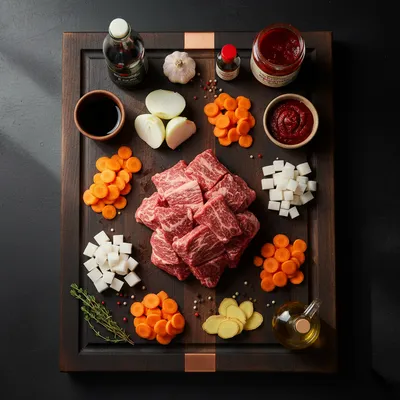
The essence of the dish:
A marriage of savory soy, mellow honey, and subtle heat from gochujang creates a broth that hugs each bite, while the meat stays melt‑in‑your‑mouth tender.
A fun fact or historical angle:
In Korean households, pot roasts were traditionally cooked over a hearth for many hours; today’s pressure‑cooker shortcut preserves that depth in under an hour.
Flavor or sensory focus:
Expect the warm aroma of garlic and ginger, a faint sweet‑spicy kiss, and the comforting mouthfeel of silky broth soaking into carrots and potatoes.
You Must Know
-
Never rush the sear; a deep browning builds flavor.
-
Low, steady simmer keeps the meat juicy.
-
Taste before serving; adjust sweetness or salt as needed.
Frequently Asked Questions
→ Can I use a different cut of beef?
Yes, a brisket or short ribs work well; just increase simmer time by 10‑15 minutes.
→ How do I make it less spicy?
Reduce or omit the gochujang, and add a bit more honey for balance.
→ Can I freeze leftovers?
Absolutely. Cool completely, store in airtight containers, and freeze for up to three months.
→ What side dishes pair best?
Steamed rice, noodles, or a light cucumber salad complement the rich broth.
→ Is there a gluten‑free version?
Swap soy sauce for tamari and ensure the gochujang you use is gluten‑free.
→ Can I use a slow cooker?
Yes, after searing, transfer everything to a slow cooker on low for 5‑6 hours; see slow‑cooker chicken thighs recipe for timing clues.
Nutrition Facts
per serving
480
Calories
38g
Protein
28g
Carbs
22g
Fat
Taste Profile
Rich, comforting, with a gentle sweet‑spicy balance
Ingredient Substitutions
Don't have an ingredient? Try these alternatives
Adjust simmer time slightly; lamb benefits from a longer, slower cook.
Slightly sweeter; you may reduce honey by half.
Recipe Variations
Try these delicious twists on the original
Spicy Version
Add extra gochujang and a pinch of Korean red pepper flakes for a bolder heat.
Mediterranean Style
Swap gochujang for smoked paprika, add olives and sun‑dried tomatoes for a different twist.
Common Mistakes to Avoid
Learn from others' mistakes for perfect results
- Overcrowding the pot, which steams rather than sears the meat.
- Adding the vegetables too early, causing them to fall apart.
- Boiling the sauce vigorously, which can make it cloudy.
Meal Prep & Storage
Make Ahead Tips
You can marinate the beef with soy sauce, garlic, and ginger for up to 24 hours; store refrigerated before cooking.
Leftover Ideas
Reheat gently in a skillet over low heat, adding a splash of broth to keep it moist.
Perfect Pairings
Serve this with...
Cooking Timeline
Prep all ingredients – dice beef, chop veggies, mince aromatics.
Sear beef cubes in batches until browned.
Sauté onion, garlic, and ginger; deglaze with broth and sauces.
Add carrots, potatoes, and cabbage; bring to a boil.
Reduce heat, cover, and simmer until meat is fork‑tender.
 Breakfast & Brunch
Classic Moist Banana Bread Recipe
Moist classic banana bread, ideal for a comforting breakfast or afternoon treat.
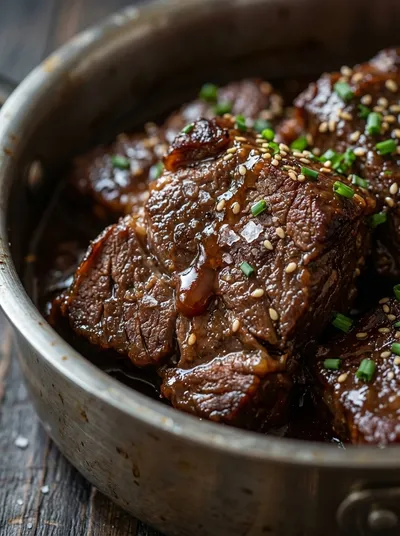
Korean Style Pot Roast – Easy Quick Recipe
A comforting Korean style pot roast that melts on the fork, simmered with aromatic spices and sweet vegetables. Perfect for a quick weeknight dinner that feels like a hug.
Timing
Prep Time
15 Minutes
Cook Time
45 Minutes
Total Time
1 Hour
Recipe Details
Ingredients
Main Ingredients
-
01
2 lb beef chuck roast, cut into 2‑inch cubes
-
02
2 carrots, peeled and cut into chunks
-
03
2 potatoes, peeled and cubed
-
04
1/2 head napa cabbage, coarsely chopped
-
05
1 onion, sliced
-
06
3 cloves garlic, minced
-
07
1 tbsp ginger, grated
For the Sauce
-
01
1/2 cup soy sauce
-
02
2 tbsp gochujang (Korean red pepper paste)
-
03
2 tbsp honey
-
04
1 cup beef broth
-
05
2 tbsp rice vinegar
-
06
1 tsp sesame oil
Instructions
Pat the beef dry, then season with a pinch of salt and pepper. Heat a large pot over medium‑high heat, add a splash of oil, and sear the beef in batches until browned on all sides.
Remove the meat, add the onion, garlic, and ginger to the pot and sauté until fragrant, about 2 minutes.
Stir in the sauce ingredients – soy sauce, gochujang, honey, beef broth, rice vinegar, and sesame oil – scraping up any browned bits.
Return the beef to the pot, add carrots, potatoes, and cabbage. Bring to a gentle boil, then reduce heat to low, cover, and simmer for 35‑40 minutes until the meat is fork‑tender.
Taste the broth and adjust seasoning if needed. Serve hot, spooning broth over rice or noodles.
Notes & Tips
-
1
If the sauce reduces too quickly, add a splash more broth or water.
-
2
For extra depth, add a small piece of dried kelp during simmering.
-
3
Leftovers taste even better the next day as flavors continue to meld.

Tools You'll Need
-
Large Dutch oven or heavy pot
-
Wooden spoon
-
Sharp knife
-
Cutting board
-
Measuring spoons
-
Measuring cups
Must-Know Tips
-
Don't overcrowd the pot when searing; work in batches.
-
Let the broth simmer gently; a rolling boil toughens the meat.
-
Taste before serving; a dash more honey balances any extra salt.
Professional Secrets
-
Room‑temperature meat sears more evenly.
-
Deglaze with broth to capture caramelized bits.
-
Finish with a drizzle of sesame oil for aroma.

Recipe by
Isabella🍫✨ Sweet, passionate, and hopelessly in love with chocolate! Isabella turns every cocoa moment into pure magic in your kitchen. 💋🍰
Get Delicious Recipes Weekly
Join 25,000+ home cooks getting our best recipes straight to their inbox.
Free forever • No spam • Unsubscribe anytime