Honestly, when the clock says I have only a few hours, I reach for my sourdough starter. It’s comforting, like a quiet whisper of yeast that promises a golden edge. You can discover more quick recipes quick recipes that fit right into a busy day.
The essence of the dish
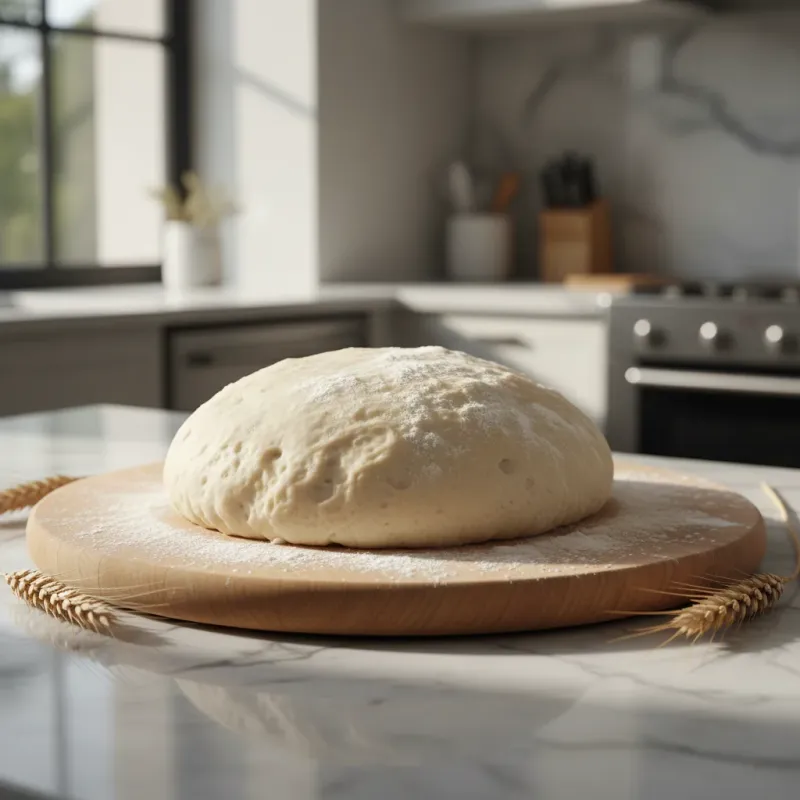
What makes this dough special is the balance between wild yeast activity and the gentle hand of the baker. The slow rise creates air pockets that give the crust its signature bite.
A fun fact or historical angle
In ancient Naples, bakers would toss dough onto the floor of a hot brick oven, letting the residual heat finish the bake—a tradition that echoes in today’s stone‑baked pizzas.
Flavor or sensory focus
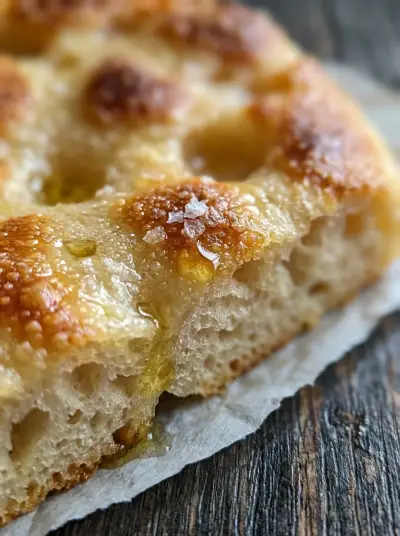
When you bite, expect a subtle tang on the tongue, a caramelized crunch on the edge, and a tender, airy crumb that holds sauce without getting soggy.
You Must Know
- Temperature matters – keep dough cool during bulk fermentation.
- Do not over‑stretch; a gentle hand preserves the bubbles.
- A preheated oven is non‑negotiable for that leopard‑spot crust.
Well, I’ve seen doughs collapse when the kitchen is too warm; a quick tip is to set the bowl in a cooler spot or even the fridge for a short rest. Also, remember to let the dough rest on the countertop after shaping – a pause lets the gluten relax, making it easier to slide onto the stone. For more ideas on quick meals, explore home cooking resources.
The story behind it
Sourdough pizza traces its roots to ancient Roman flatbreads that were leavened with wild yeasts. Over centuries, the technique traveled through Italy’s countryside, where families nurtured starters in humble stone ovens. The result was a crust that was both airy and deeply flavored. Today, modern home bakers celebrate that heritage by using the same natural fermentation, creating a bridge between history and today’s kitchen without any pretension.
Why You'll Love It
- Minimal ingredients, maximum flavor
- Slight tang from natural fermentation
- Crispy edge with a soft interior
- Easy to personalize with herbs or whole‑grain flour
Tips for success
- Don't overcrowd the dough during bulk fermentation; give it room to breathe.
- Let the pizza rest on the peel for a minute after shaping to prevent stretching.
- Taste as you go with salt; a pinch too much is hard to fix later.
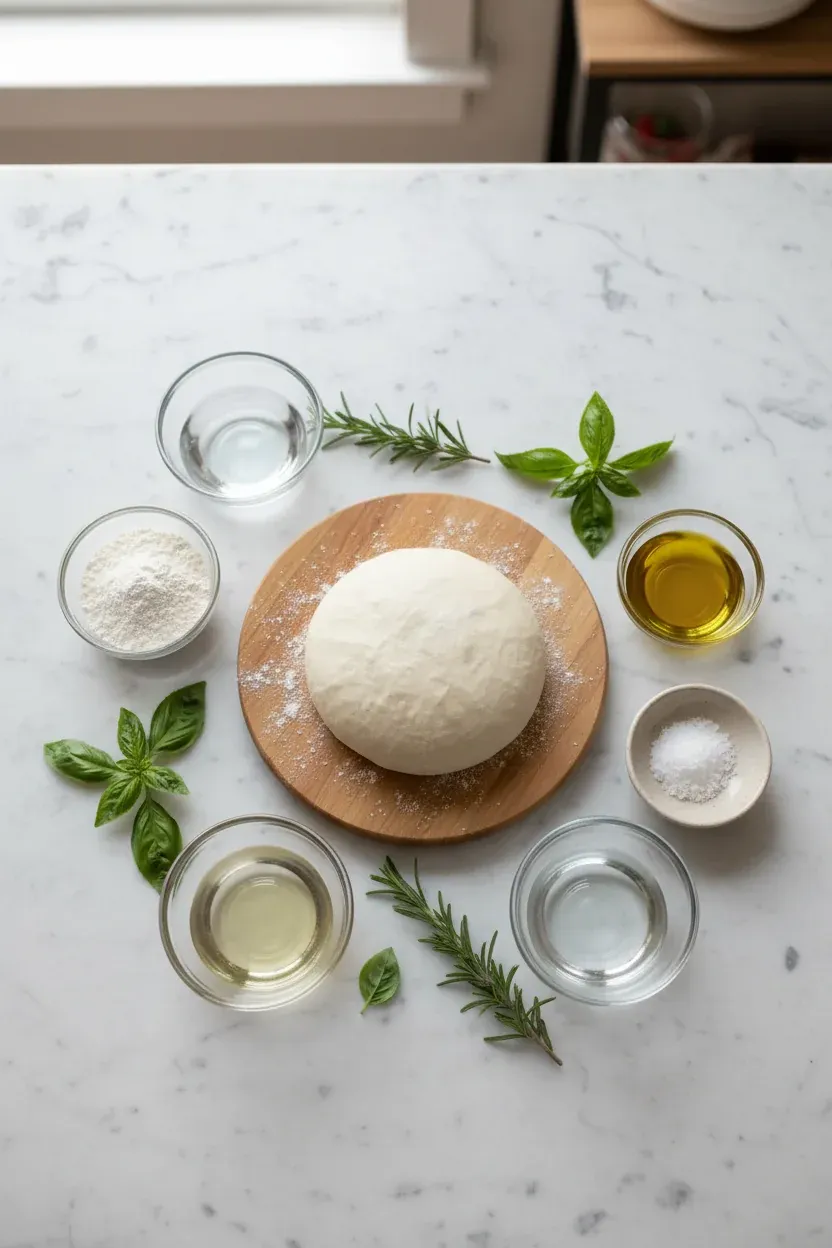
Professional secrets
- Room temperature ingredients ensure even fermentation.
- High oven heat creates that signature leopard‑spot crust.
- A brief splash of water in the oven adds steam for a crisp edge.
Common mistakes to avoid
- Over‑kneading the dough, which can tighten the crumb.
- Using cold water, slowing down fermentation.
- Baking on a cold surface, resulting in a soggy base.
Substitutions
- Bread flour: All‑purpose flour. The crumb will be softer; add a little extra water if needed.
- Olive oil: Melted butter. Gives a richer flavor but reduces the crispness slightly.
Variations
- Herb‑Infused: Add 1 tbsp dried rosemary and 1 tsp garlic powder to the dough for an aromatic twist.
- Whole‑Grain: Replace 150 g of the bread flour with whole‑grain spelt flour for added nuttiness.
Storage
Store any leftover dough in an airtight container in the refrigerator for up to 48 hours; re‑activate before the next use.
Make ahead
You can feed the starter the night before and keep the dough in the fridge for up to 24 hours; let it come to room temperature before shaping.
Leftovers
Reheat gently in a hot skillet with a lid to revive the crust’s crunch without drying out the topping.
Serving ideas
- Serve hot with a drizzle of extra‑virgin olive oil and fresh basil leaves.
- Pair with a simple arugula salad tossed in lemon juice.
- Offer a side of roasted bell peppers for added sweetness.
Allergy information
Contains gluten, dairy (if cheese added), and soy (if using soy‑based sauce).
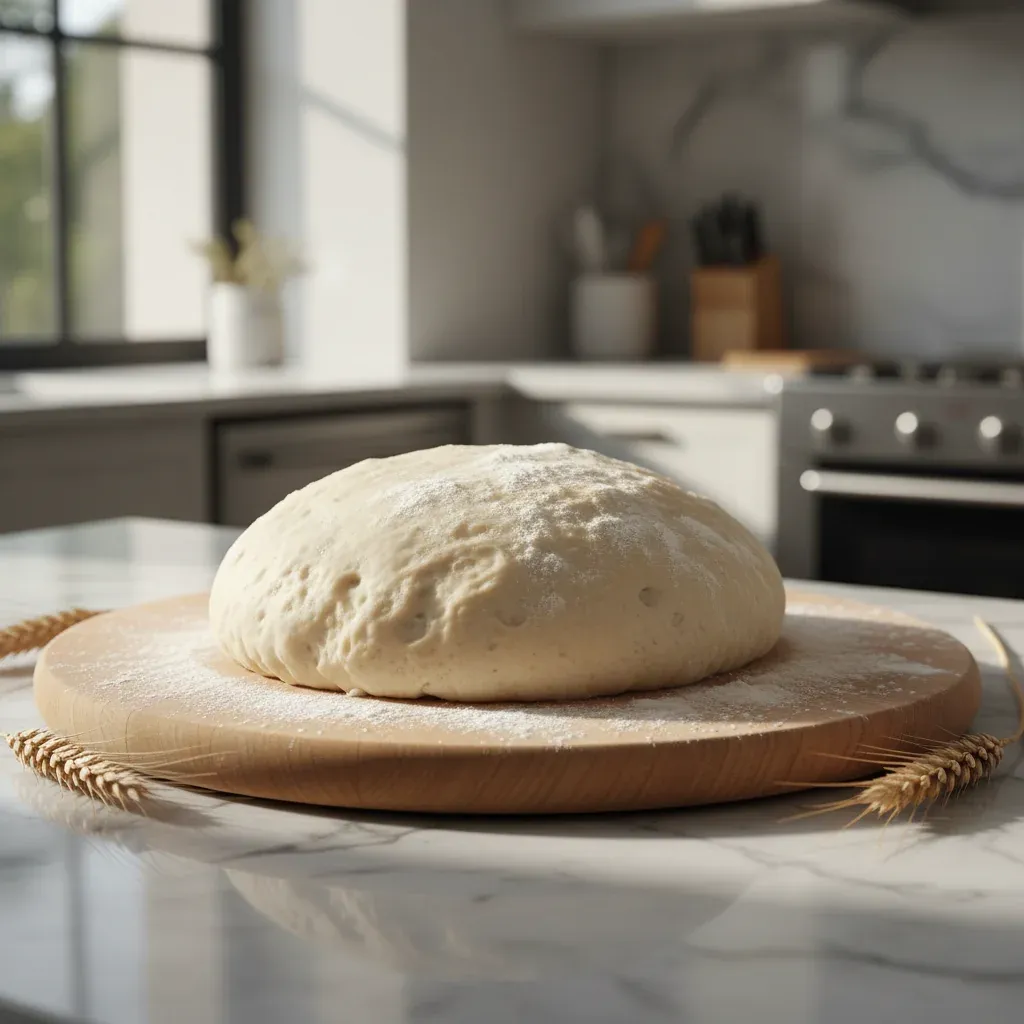
Quick Sourdough Pizza Dough Recipe
Make a tangy, crisp sourdough pizza crust quickly with just flour, water, salt, and starter.
- Prep time
- 15 min
- Cook time
- 10 min
- Total time
- 25 min
- Difficulty
- Medium
- Cuisine
- Italian
- Course
- Main Course
Ingredients
Dough
Optional Toppings
Instructions
- 1
In a large bowl, combine flour and water; stir until just incorporated and let rest for 30 minutes (autolyse).
- 2
Add the active starter, salt, honey, olive oil, and lemon juice. Mix until a shaggy dough forms.
- 3
Perform a series of stretch‑and‑folds every 30 minutes over a 2‑hour bulk fermentation; the dough should become smooth and elastic.
- 4
Divide the dough into two balls, cover, and let rest for 30 minutes before shaping into pizza rounds.
- 5
Preheat a pizza stone in the oven to 500°F (260°C). Transfer the shaped dough onto a floured peel, add toppings, and bake for 8‑10 minutes until the crust is golden and bubbly.
Nutrition per serving
- 350 kcal
- Calories
- 12 g
- Protein
- 55 g
- Carbs
- 9 g
- Fat
Tips & notes
- If the dough feels too sticky, dust the work surface lightly with flour; avoid adding too much extra flour. - A quick mist of water in the oven creates steam, helping the crust develop a beautiful crust. - For a deeper flavor, let the dough ferment in the refrigerator overnight; just bring it back to room temperature before shaping.
Frequently asked questions
Can I use whole‑wheat flour?
Yes, substitute up to 30 % of the bread flour with whole‑wheat for a nuttier flavor; you may need a few extra minutes of hydration.
How long can I keep the dough after shaping?
The shaped dough can be refrigerated for up to 24 hours; bring it to room temperature before baking.
Do I need a pizza stone?
A stone gives the best crust, but a heavy‑bottomed baking sheet works in a pinch.
What if my starter is weak?
Feed it twice in the 12‑hour period before you start; a vigorous starter ensures proper rise.
Can I add herbs to the dough?
Absolutely – fold in dried oregano or rosemary during the final stretch‑and‑fold.
Is this recipe gluten‑free?
Swap the bread flour for a gluten‑free blend, but the texture will differ slightly.

Isabella
🍫✨ Sweet, passionate, and hopelessly in love with chocolate! Isabella turns every cocoa moment into pure magic in your kitchen. 💋🍰