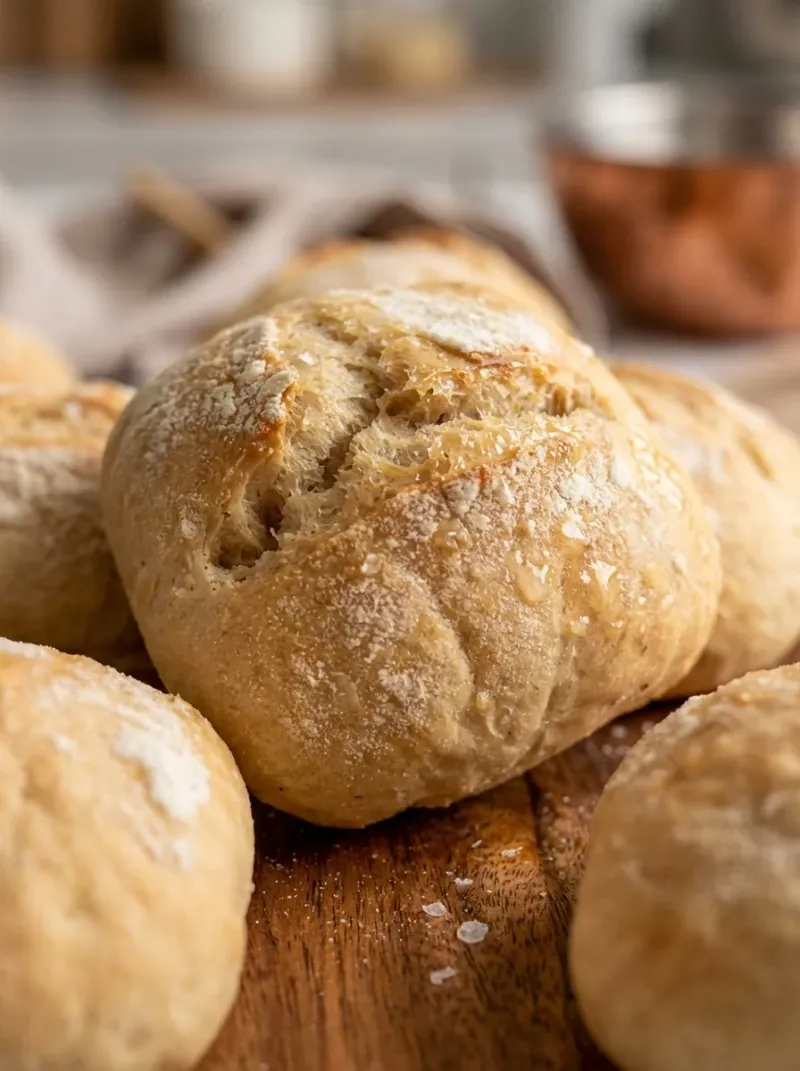
Honestly, when I first tried making my own ciabatta, I was a bit nervous. I remember the first dough rising on my kitchen counter, the scent of yeast whispering promises. So, yeah, this recipe is my gentle guide to that perfect crust and airy crumb. I like to think of it as a quiet morning ritual, with the oven’s warmth hugging the rolls like a soft blanket.
The essence of the dish
These ciabatta rolls are built on a simple dough that relies on high‑hydration and a brief, gentle rise. The result is a crust that sings with a faint caramel note while the interior stays light, almost lacy.
A fun fact or historical angle
In Italy, ciabatta was invented as a quick‑bake alternative for cafés needing fresh bread without the time‑intensive traditional loaves. Its shape mirrored a slipper, making it easy to slide into baskets.
Flavor or sensory focus
When you bite in, the first thing you notice is the crackle of the crust, followed by a buttery, slightly sweet crumb that holds butter or sauce effortlessly.
You Must Know
- High hydration keeps the crumb open.
- Steam in the oven creates that glossy crust.
- A brief, cool rise preserves tenderness.
I remember once pulling a batch out a bit early and the rolls felt dense—dang, that taught me the value of patience. Letting the dough rest fully before shaping makes all the difference. And, wow, a splash of water in the oven just before baking is pure magic.
The story behind it
The ciabatta originated in Italy in the early 1980s, created as a rustic answer to the need for a light, airy bread that could hold up to hearty fillings. The name means “slipper” in Italian, hinting at its flat, elongated shape. While the original was crafted in large loaves, today home bakers often scale it down for convenience, keeping the soul of the loaf while allowing a small batch to bake in a single pan. This tradition of taking a classic and making it personal fits right into my kitchen’s story.
Why You'll Love It
- Minimal kneading, yet big flavor
- Small batch perfect for quick baking
- Crisp crust with an airy, open crumb
- Versatile for sandwiches or snacking
Tips for success
- Don’t over‑knead; a few folds are enough.
- Use room‑temperature water to keep the yeast happy.
- Steam the oven by spraying water just before loading the rolls.
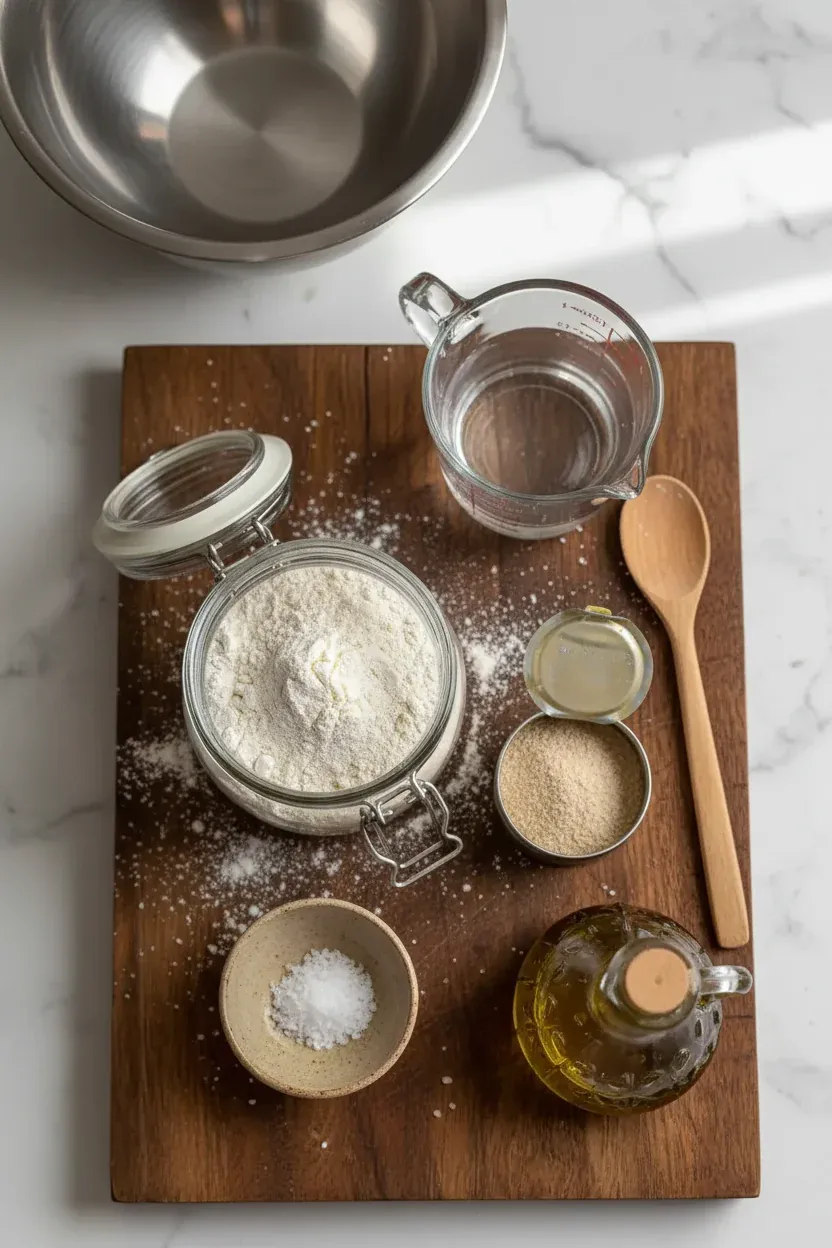
Professional secrets
- High hydration creates the open crumb.
- Pre‑heating the baking surface ensures a crisp bottom.
- A quick burst of steam locks in moisture for a glossy crust.
Common mistakes to avoid
- Over‑kneading the dough, leading to a tight crumb.
- Baking at too low a temperature, resulting in a pale crust.
- Skipping the steam step, which reduces crust crispness.
Substitutions
- Bread Flour: All‑purpose flour. Will yield a slightly denser crumb; increase water by 1‑2 tbsp.
- Olive Oil: Melted butter. Adds richness but changes flavor profile slightly.
Variations
- Herb‑Infused: Fold chopped rosemary or thyme into the dough before the final rise for aromatic notes.
- Olive & Sun‑Dried Tomato: Add chopped olives and sun‑dried tomatoes for a Mediterranean twist.
Storage
Wrap in a clean kitchen towel and store in a paper bag at room temperature; re‑crisp in a 300°F oven for 5 minutes.
Make ahead
You can prepare the dough the night before, let it rise slowly in the refrigerator, and bake fresh in the morning.
Leftovers
Reheat gently in a low oven with a splash of water for a few minutes to revive the crust.
Serving ideas
- Split the roll and fill with roasted vegetables and hummus.
- Toast lightly and top with avocado and a pinch of pepper.
- Use as a base for mini bruschetta with tomato and basil.
- Serve alongside a hearty soup for dipping.
Allergy information
Contains gluten and may contain traces of nuts from the kitchen environment.
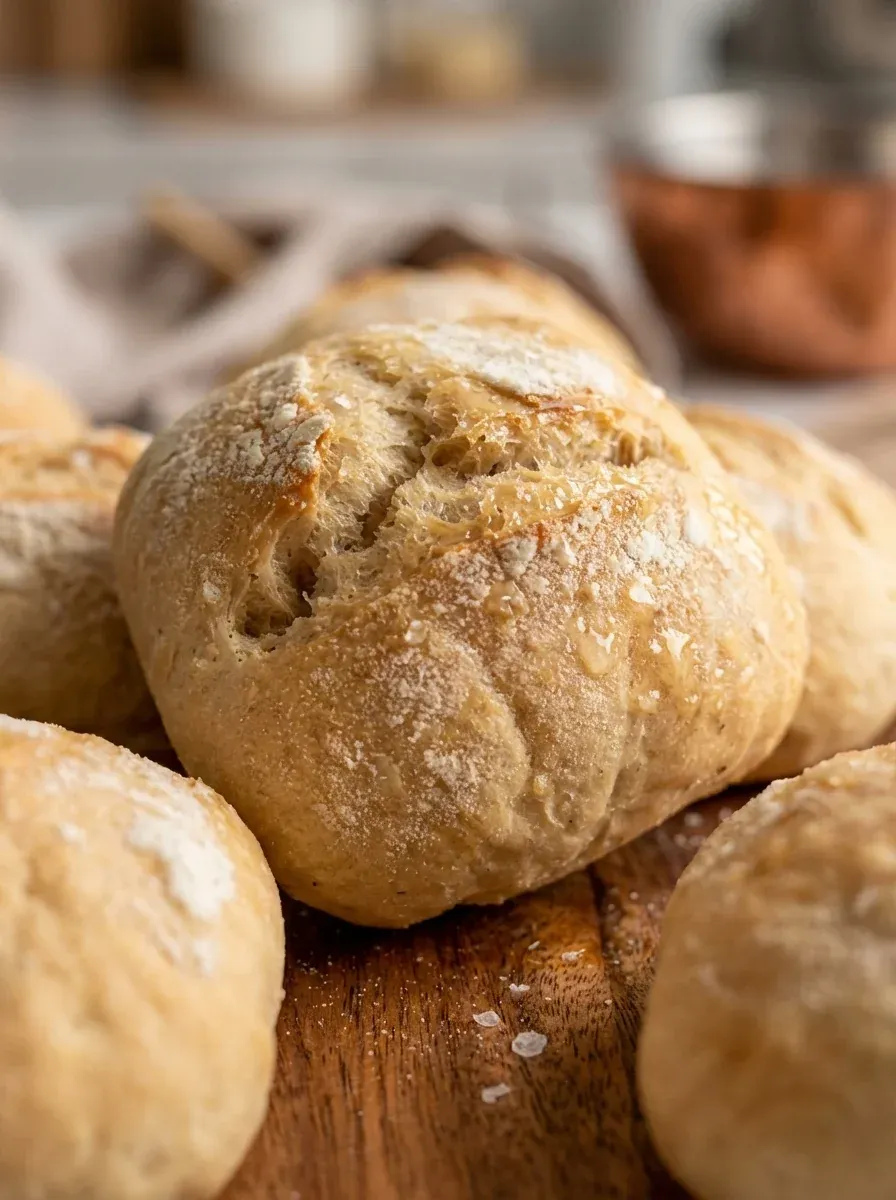
Small Batch Ciabatta Rolls – Easy Homemade Bread
A simple, small‑batch ciabatta that’s crisp on the outside and airy inside, ideal for quick snacks or elegant sandwiches.
- Prep time
- 15 min
- Cook time
- 20 min
- Total time
- 35 min
- Difficulty
- Easy
- Cuisine
- Italian
- Course
- Snack
Ingredients
Dough
Instructions
- 1
In a bowl, dissolve yeast in warm water with honey; let sit 5 minutes until frothy.
- 2
Add flour, olive oil, and salt; mix until a shaggy dough forms. banana bread gave me the idea to keep the mixture loose.
- 3
Cover the bowl with a damp cloth and let the dough rise in a warm spot for 1 hour, until doubled.
- 4
Turn the dough onto a floured surface, gently fold it a few times, then shape into 6 oval rolls.
- 5
Place rolls on a pre‑heated baking sheet, spray lightly with water, and let rest 15 minutes.
- 6
Bake in a 425°F (220°C) oven for 20 minutes, or until the crust is deep golden. For extra shine, you can brush with a bit of olive oil after baking.
Nutrition per serving
- 180 kcal
- Calories
- 6 g
- Protein
- 33 g
- Carbs
- 4 g
- Fat
Tips & notes
- If the dough feels too wet, sprinkle a tablespoon of flour at a time. - A short rest after shaping lets the gluten relax, giving a better crumb. - For a chewier crust, add a tablespoon of semolina to the baking surface.
Frequently asked questions
Can I use all‑purpose flour?
Yes, but the crumb will be slightly tighter; add a touch more water to compensate.
Do I need a baking stone?
A stone helps, but a heavy baking sheet works fine; just preheat it well.
How long can I store the rolls?
Wrap them in a clean kitchen towel and keep at room temperature for up to two days; freeze for longer storage.
Can I add herbs?
Absolutely—fold in rosemary or thyme during the bulk rise for an aromatic twist.
What if my dough is sticky?
A wet hand helps shape without adding extra flour; the dough should stay tacky.
Do I need to flour the surface before baking?
A light dusting prevents sticking and adds a rustic look, but it’s optional.

Layla
🍪🔥 A bold baker with a wild imagination — Layla mixes adventure, love, and rich chocolate in every recipe she shares. 🌈🍫