
The farmhouse vegetable soup traces its roots to rural kitchens where seasonal produce was celebrated in simple, nourishing dishes. In the 19th‑century American countryside, families would gather around a hearth, chopping whatever vegetables the garden yielded and letting them simmer slowly in a pot. This practice not only maximized nutrition but also created a communal ritual of sharing the harvest. The soup’s enduring popularity stems from its ability to adapt—any combination of fresh veggies can become a comforting bowl, embodying the spirit of resourceful, home‑cooked tradition.
Why You'll Love It
-
- Simple, pantry‑friendly ingredients
-
- Gentle simmer brings out natural sweetness
-
- Flexible to any seasonal vegetable
-
- Warm, comforting aroma fills the house
"This soup feels like a warm blanket on a cold day—simply perfect!"
Essential Ingredient Guide
- Root vegetables (carrots, potatoes): Choose firm, brightly colored roots for sweetness and texture; scrub well and dice uniformly.
- Leafy greens (kale, spinach): Select fresh leaves without yellowing; tear into bite‑size pieces just before adding to retain color.
- Celery and onion: These aromatics build the base flavor; sauté lightly to release their mellow scent.
- Herbs (thyme, bay leaf): Fresh thyme adds a subtle earthiness; a single bay leaf lends depth without overpowering.
- Acid (lemon juice): A splash at the end brightens the broth, balancing the natural sweetness of the veggies.
- Optional sweetener (a pinch of honey): A tiny drizzle can round out the flavors if the broth feels too sharp.
 Breakfast & Brunch
American Pancakes – Fluffy Breakfast Treat
Light, airy pancakes that drift like clouds on a plate, ideal for a relaxed morning.
Complete Cooking Process
-
Ingredient Readiness:
Wash, peel, and dice all vegetables into uniform pieces so they cook evenly and release their flavors together.
-
Flavor Development:
Sauté onion, celery, and a touch of garlic until translucent; this step builds the aromatic foundation of the soup.
-
Texture Control:
Add root vegetables first, letting them soften before the leafy greens, which require just a few minutes.
-
Finishing Touches:
Stir in fresh herbs, a squeeze of lemon, and a whisper of honey right before serving for brightness.
-
Serving Timing:
Serve the soup hot, right after the final stir, so the steam carries the garden scent straight to the table.
-
Use low‑sodium broth to control salt level.
-
Add a splash of cold water when stirring to keep the broth clear.
-
Taste and adjust seasoning at the very end.
-
Allow the soup to rest for five minutes for flavors to meld.
Pro Tips
Well, it’s a small thing, but letting the pot sit off the heat for a few minutes lets the vegetables settle and the broth become silkier. I’ve found that this pause makes the soup feel more cohesive, as if each bite is speaking the same gentle language. So, after you finish the last stir, turn off the burner, cover, and give it a moment—then ladle and enjoy.
 Breakfast & Brunch
Classic Moist Banana Bread Recipe
Moist classic banana bread, ideal for a comforting breakfast or afternoon treat.
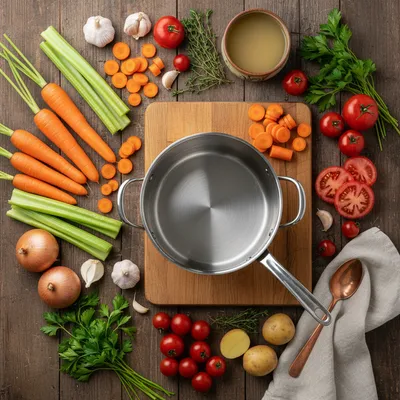
The essence of the dish:
A broth that carries the sweet earth of carrots, the buttery melt of potatoes, and the fresh bite of green beans, all tied together with herbs that whisper of garden rows.
A fun fact or historical angle:
In early American farms, a pot of vegetable soup was often called “comfort broth” because it could stretch a small amount of meat or beans to feed an entire family.
Flavor or sensory focus:
Expect a gentle aroma of simmered roots, a subtle herbaceous note, and a bright finish from lemon that lifts the whole bowl.
You Must Know
-
Don’t over‑cook the greens—they’ll lose their vivid color.
-
Season gradually; you can always add more later.
-
A dash of acid makes the broth sing.
Frequently Asked Questions
→ Can I freeze the soup?
Yes, let it cool completely, then store in airtight containers for up to three months. Thaw and reheat gently on the stove.
→ What if I don’t have fresh herbs?
Dried thyme works fine—use about one‑third of the amount called for fresh. Add it early so the flavor has time to develop.
→ Can I add meat for extra protein?
Absolutely, diced chicken or turkey breast can be simmered with the root vegetables for about 15 minutes.
→ How thick should the broth be?
Aim for a light, slightly velvety consistency; if it looks thin, let it reduce a few minutes uncovered.
→ Is this soup suitable for a low‑sodium diet?
Use low‑sodium broth or make your own vegetable stock, and season with herbs rather than salt.
→ What side dishes pair well?
A crusty whole‑grain roll, a simple green salad, or a spoonful of couscous complement the soup nicely.
Nutrition Facts
per serving
180
Calories
6g
Protein
28g
Carbs
5g
Fat
Taste Profile
Gentle, earthy sweetness with a bright finish
Ingredient Substitutions
Don't have an ingredient? Try these alternatives
Spinach wilts faster; add it in the last minute.
Will add a richer flavor; keep salt in check.
Recipe Variations
Try these delicious twists on the original
Spicy Version
Add a pinch of red pepper flakes and a dash of hot sauce for a gentle heat.
Mediterranean Style
Stir in diced tomatoes, olives, and a sprinkle of feta cheese just before serving.
Common Mistakes to Avoid
Learn from others' mistakes for perfect results
- Over‑cooking the greens—they become mushy and lose color.
- Boiling the broth too vigorously, which can cloud the soup.
- Adding salt too early, making it hard to adjust later.
Meal Prep & Storage
Make Ahead Tips
You can chop all vegetables and store them in a sealed bag in the refrigerator for up to 24 hours before cooking.
Leftover Ideas
Reheat gently on the stovetop over low heat, adding a splash of water if the broth has thickened.
Perfect Pairings
Serve this with...
Cooking Timeline
Prepare all vegetables – dice, peel, and trim as listed.
Heat olive oil, sauté onion, carrots, and celery until softened.
Add potatoes, green beans, broth, thyme, and bay leaf; bring to boil then simmer.
Stir in kale, let wilt; finish with lemon juice, salt, and pepper.
Taste, adjust seasoning, and serve hot.


Vegetable Soup: Fresh Farmhouse Style
A comforting bowl of fresh farmhouse vegetable soup that warms the heart and fills the kitchen with the scent of garden vegetables simmering together. Perfect for cool evenings or any time you need a simple, nourishing meal.
Timing
Prep Time
15 Minutes
Cook Time
30 Minutes
Total Time
45 Minutes
Recipe Details
Ingredients
Main Ingredients
-
01
2 tbsp olive oil
-
02
1 large onion, diced
-
03
2 carrots, peeled and diced
-
04
2 celery stalks, diced
-
05
2 potatoes, peeled and cubed
-
06
1 cup green beans, trimmed and halved
-
07
2 cups kale, torn
-
08
4 cups low‑sodium vegetable broth
-
09
1 tsp dried thyme
-
10
1 bay leaf
-
11
Juice of 1/2 lemon
-
12
Salt and pepper to taste
Instructions
Heat olive oil in a large pot over medium heat. Add the onion, carrots, and celery; sauté until the onion becomes translucent and the vegetables emit a sweet scent.
Add the potatoes and green beans, stirring to coat them in the oil. Pour in the vegetable broth, thyme, and bay leaf. Bring to a gentle boil, then reduce to a simmer.
Let the soup simmer for about 15 minutes, or until the root vegetables are tender. Stir occasionally, and if you notice foam, skim it off.
Add the kale and let it wilt for 3‑4 minutes. Remove the bay leaf, then finish with a squeeze of lemon juice, salt, and pepper.
Serve hot, ladling the broth into bowls. Optionally garnish with a drizzle of olive oil or a sprinkle of fresh parsley.
Notes & Tips
-
1
Taste the soup before adding salt; the broth may already be seasoned enough.
-
2
For a richer flavor, roast the vegetables before adding them to the pot.
-
3
A handful of cooked barley or quinoa can turn this into a heartier meal.
 Pasta
Pasta
Perfect Pasta Salad Dressing Recipe
A quick, lemon‑garlic vinaigrette that elevates pasta salads with a burst of freshness.
Tools You'll Need
-
Large soup pot
-
Sharp knife
-
Cutting board
-
Wooden spoon
-
Measuring cups
-
Ladle
Must-Know Tips
-
Don’t skip sautéing the aromatics—they build the soup’s backbone.
-
Add leafy greens at the end to keep their bright color.
-
Adjust acidity with lemon at the very end for balance.
Professional Secrets
-
Sweat the vegetables gently to coax out natural sugars.
-
Use low‑sodium broth to control overall salt level.
-
Finish with cold lemon juice to brighten the flavor without cooking it away.

Recipe by
Aria🌸🍯 A free spirit with a whisk in hand, Aria blends soft cocoa flavors with artful presentation — dessert is her love language. 🎨🍫
Get Delicious Recipes Weekly
Join 25,000+ home cooks getting our best recipes straight to their inbox.
Free forever • No spam • Unsubscribe anytime